Is Open Farm Worth It: Honest Review And Verdict
Yes, Open Farm is often worth it if you want transparent ingredients and premium nutrition.
If you have been wondering whether Open Farm is really worth the price, you are not alone. I have looked at pet food labels, ingredient panels, and real-world feeding results for years, and Open Farm stands out for one main reason: it makes it easier to know what is in the bowl. That matters a lot when you want better food, fewer surprises, and a brand you can trust.
What Open Farm Is and Why People Care
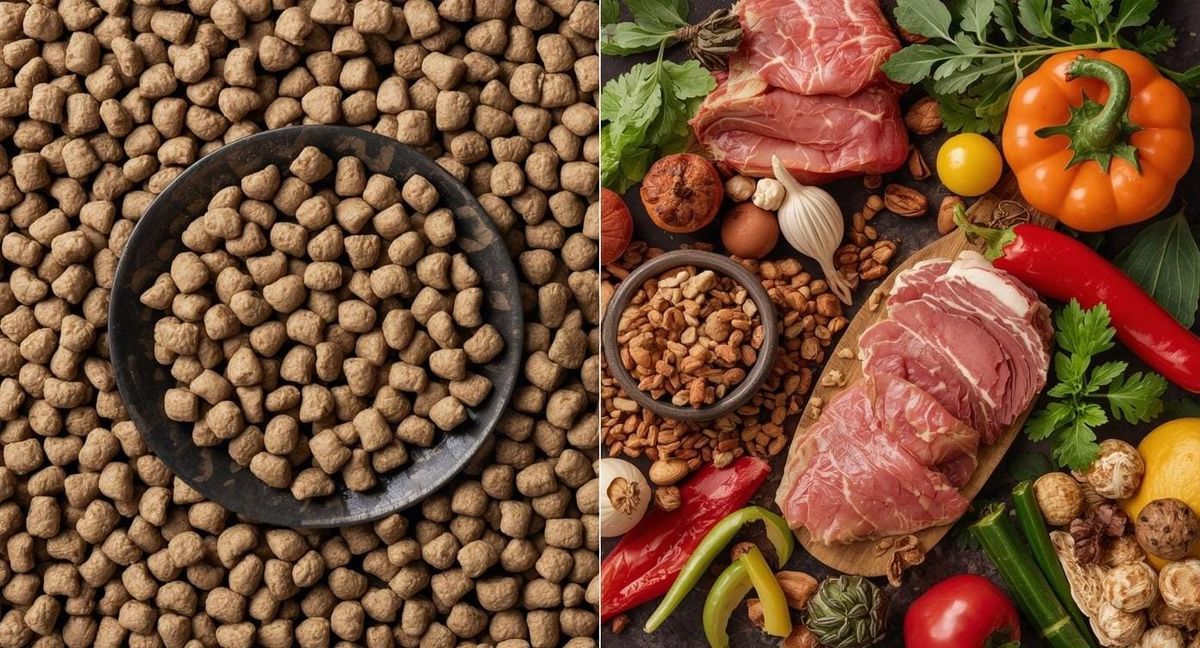
Open Farm is a pet food brand known for high-quality ingredients, ethical sourcing, and clear labeling. It sells dry food, wet food, freeze-dried food, and toppers for dogs and cats. The big draw is simple: the company focuses on traceable animal proteins and more human-grade style transparency than many mainstream brands.
That transparency is what pulls a lot of pet parents in. When a food brand tells you where the protein comes from and how it is sourced, it feels less like guessing and more like making a smart choice. In a pet food aisle full of vague claims, that can be a breath of fresh air.
From a practical point of view, Open Farm sits in the premium pet food category. So the real question is not just whether it is good. The better question is whether the quality, formula design, and peace of mind justify the higher cost for your pet.

Is Open Farm Worth It for Most Pet Owners?
For many pet owners, yes, Open Farm is worth it. The brand offers strong ingredient quality, a good reputation for transparency, and formulas that are usually easy to understand. If your pet does well on higher protein food and you care about sourcing, it can be a solid investment.
That said, worth is personal. A picky eater, a pet with special dietary needs, or a tight budget can change the answer fast. I have seen people switch to premium food expecting miracles, only to learn that the best food is still the one their pet actually eats and digests well.
Here is the honest take:
• It is worth it if you want traceable ingredients and premium nutrition
• It is worth it if your pet does well on higher-quality protein-based food
• It may not be worth it if you need the lowest price per pound
• It may not be worth it if your pet needs a prescription diet
• It may not be worth it if your pet prefers a simpler formula or has a sensitive stomach that reacts to rich foods
In short, Open Farm is worth it for many, but not for everyone. The value depends on your pet’s needs, your budget, and how much you care about ingredient sourcing.
What Makes Open Farm Different
Open Farm is not just another premium pet food brand with fancy packaging. Its main difference is the way it talks about ingredients and sourcing. Many pet parents like that it is easier to trace proteins and understand what is inside each recipe.
Some of the most notable features include:
• Responsibly sourced animal proteins
• Clear ingredient lists
• Grain-free and grain-inclusive options
• Limited ingredient formulas
• Wet food, dry food, and topper choices
• Focus on sustainability and animal welfare
I have found that brands like this appeal to people who read labels carefully. If you have ever stood in a store aisle comparing salmon meal, deboned salmon, pea protein, and chicken fat, you already know how confusing pet food can be. Open Farm tries to make that less stressful.
That does not automatically make it perfect. But it does make it easier to compare against brands that rely on vague marketing language.
Ingredient Quality and Nutrition
Ingredient quality is one of the biggest reasons people ask whether Open Farm is worth it. The brand uses named animal proteins like chicken, turkey, lamb, salmon, and whitefish in many formulas. That is usually a good sign because named proteins are more specific than generic meat meal.
Open Farm also tends to use recipes built around protein, fats, and digestible carbohydrates rather than filler-heavy formulas. Many dog foods and cat foods include functional ingredients too, such as pumpkin, coconut oil, flaxseed, and probiotics in some recipes. These can support digestion, coat health, and overall wellness.
Still, it is smart to remember that premium ingredients do not guarantee a perfect fit. A food can look great on paper and still upset a pet’s stomach if the protein level is too rich or the recipe simply does not suit them. I have learned this the hard way with pets that seemed to love the smell of a food but had looser stools after a few days.
A few nutrition points to keep in mind:
• Higher protein is often helpful for active pets
• Some pets do better on grain-inclusive formulas
• Limited ingredient recipes can help with sensitivities
• A higher price does not always mean better digestibility
• The best formula is the one that matches your pet’s age, size, and health needs
If you are comparing options, the real win is not just “clean ingredients.” It is balanced nutrition that your pet can actually use well.
Open Farm Pros and Cons
Every brand has trade-offs, and Open Farm is no exception. If you are trying to decide whether Open Farm is worth it, this is the section to read carefully.
Pros
• Strong ingredient transparency
• Traceable sourcing
• Premium protein options
• Good variety of dog and cat recipes
• Options for different life stages and needs
• Sustainable and ethical brand positioning
Cons
• More expensive than many standard pet foods
• Not always ideal for very sensitive pets
• Some formulas may be too rich for certain dogs or cats
• Availability can vary by store
• Premium branding may not matter if your pet needs a specialized diet
I like to think of Open Farm as a well-made jacket. It is not the cheapest one on the rack, but if it fits well and lasts, the value makes sense. The catch is that a nice jacket still has to fit your body. Pet food works the same way.
Who Open Farm Is Best For
Open Farm is not a one-size-fits-all answer. It tends to work best for pet owners who value ingredient quality, sourcing, and brand transparency.
It may be a strong fit if your pet is:
• An adult dog or cat with no major medical diet restrictions
• A picky eater who prefers flavorful premium food
• A pet with a need for more protein-focused nutrition
• A pet that does well on grain-free or limited ingredient formulas
• A pet whose owner wants more trust in the sourcing process
It may be less ideal if your pet is:
• On a vet-prescribed diet
• Extremely sensitive to diet changes
• Doing great on a cheaper food already
• Prone to weight gain and needs very controlled calories
• Reacting badly to rich or high-protein recipes
In my experience, the best results usually come from pets that already handle quality protein well. If your pet has a history of tummy trouble, start slow and watch stool quality, energy, and coat condition.
Price: Is Open Farm Too Expensive?
Price is one of the biggest reasons people hesitate. Open Farm is definitely not budget pet food, and that alone can make it feel out of reach. But price should always be judged against value, not just cost.
A cheaper bag may look better at checkout, but if your pet eats more of it, has digestive issues, or needs extra supplements later, the savings can disappear fast. On the other hand, a premium food that your pet thrives on may reduce wasted food and feeding stress.
To judge the price fairly, look at:
• Cost per serving, not just cost per bag
• How much your pet needs to eat per day
• Whether the food improves digestion or coat condition
• Whether you buy wet food, dry food, or both
• Whether you are using it as a full diet or a topper
My advice is simple: if Open Farm helps your pet feel better and eat consistently, the higher price may be justified. If you are paying more but seeing no real improvement, it may not be worth the premium.
Real-World Feeding Experience and Practical Tips
From a practical standpoint, switching to Open Farm should be done carefully. Even good pet food can cause issues if you change too fast. A slow transition gives the digestive system time to adjust.
Here is the approach I recommend:
- Mix a small amount of Open Farm with the current food
- Increase the amount over 7 to 10 days
- Watch for loose stool, itching, gas, or refusal to eat
- Keep water fresh and available
- Track energy, coat shine, and appetite changes
One mistake I see people make is assuming a premium food will instantly solve every issue. That is not how pet nutrition works. If a pet has allergies, infections, parasites, or a medical condition, food alone may not fix the problem.
I also suggest checking the specific formula, not just the brand. Two recipes from the same company can perform very differently for the same pet. That is why careful observation matters so much.
What the Research and Industry Guidance Say
General pet nutrition guidance from veterinary groups and animal nutrition experts tends to support the idea that complete and balanced food, proper life-stage matching, and digestibility matter more than marketing claims. That lines up well with Open Farm’s strengths, especially its focus on ingredient clarity and balanced formulas.
Research on pet food quality also shows that digestibility, amino acid profile, fat balance, and ingredient tolerance are key factors in how well a pet does on a diet. In other words, the label matters, but the pet’s actual response matters even more.
This is why I always encourage pet owners to look at:
• AAFCO nutritional adequacy statements
• Life-stage suitability
• Calorie density
• Protein and fat levels
• Your pet’s stool, energy, and coat after the switch
Open Farm scores well on trust and transparency, but your pet’s real-world response is the final test. That is the most honest standard there is.
Frequently Asked Questions
Is Open Farm a good brand for dogs?
Yes, Open Farm is generally considered a good brand for dogs, especially if you want premium ingredients and clear sourcing. Many dogs do well on its protein-forward recipes, but the best formula depends on your dog’s age, size, and stomach sensitivity.
Is Open Farm worth it for cats?
It can be, especially for cat owners who want high-quality animal protein and more transparent sourcing. Cats are obligate carnivores, so protein quality matters a lot, but you still need to choose a recipe that matches your cat’s needs and preferences.
Does Open Farm help with sensitive stomachs?
Sometimes, but not always. Some pets do well on its limited ingredient or grain-inclusive recipes, while others still react to richer formulas or specific proteins.
Is Open Farm better than cheaper pet food?
In many cases, yes, if you value ingredient quality, sourcing, and transparency. But a cheaper food that your pet digests well may still be the better choice if cost is your top concern and your pet is thriving.
Is Open Farm worth the price?
It is worth the price for many pet owners, especially those who want premium nutrition and ethical sourcing. If your pet eats it well and shows better digestion, coat health, or energy, the higher cost can make sense.
Conclusion
Open Farm is worth it for many pet owners who want high-quality ingredients, clear sourcing, and a premium brand they can feel good about. It is especially appealing if your pet does well on protein-rich recipes and you are willing to pay more for transparency and better formulas.
At the same time, it is not automatically the right choice for every pet or every budget. The smartest approach is to match the food to your pet’s real needs, watch how they respond, and judge the value by results, not just branding. If you are still deciding, compare the formula, try a slow transition, and pay close attention to how your pet feels after the switch.
If you found this helpful, keep researching, compare labels carefully, and make the choice that fits your pet best.