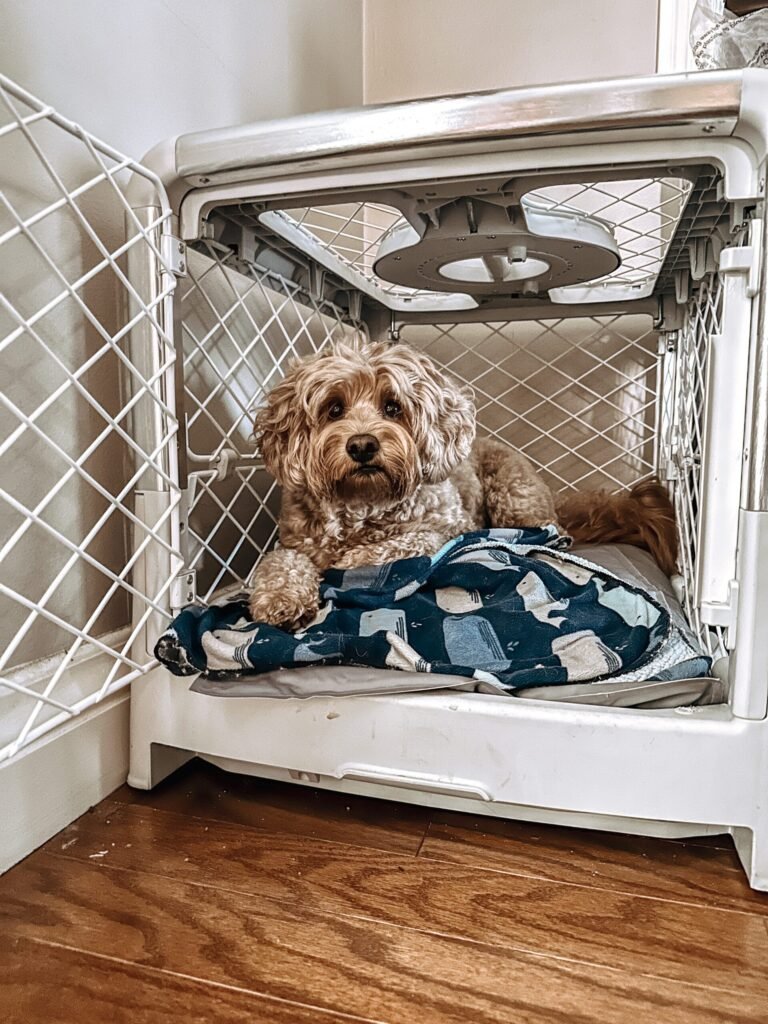
Is Halo Collar Worth It: Honest 2026 Review
Halo Collar is worth it for many dog owners, but only if you’ll use the features consistently.
If you’ve been asking whether Halo Collar is worth it, you’re probably trying to balance peace of mind, training support, and price. I’ve spent a lot of time evaluating GPS dog collars, virtual fences, and pet safety tools, and Halo stands out for one big reason: it tries to replace both a fence and a trainer in one system. That can be a real win for some families, but it is not the right fit for every dog or every budget.

What the Halo Collar actually does
Halo Collar is a smart dog collar that uses GPS and wireless boundaries to help keep dogs within safe areas. Instead of digging a physical fence, you create custom fence zones through an app, and the collar gives guidance when your dog gets near the edge. It is designed for training, safety, and location tracking, all in one device.
That combination is what makes people search for Halo Collar reviews and ask, “Is Halo Collar worth it?” The honest answer depends on your dog’s personality, your yard setup, and how much training time you can put in. A tool like this works best when the owner treats it as a training system, not just a gadget.
Is Halo Collar worth it for most dog owners?
For many owners, yes, Halo Collar can be worth it if they need a flexible containment solution without building a physical fence. It is especially useful for people with large yards, unusual property shapes, or rental homes where underground fencing is not practical. It also helps if you want location tracking and boundary alerts in the same product.
But the value drops if you expect it to work perfectly right out of the box. In my experience, GPS-based systems need setup, practice, and patience. If you want a “set it and forget it” solution, you may end up frustrated.
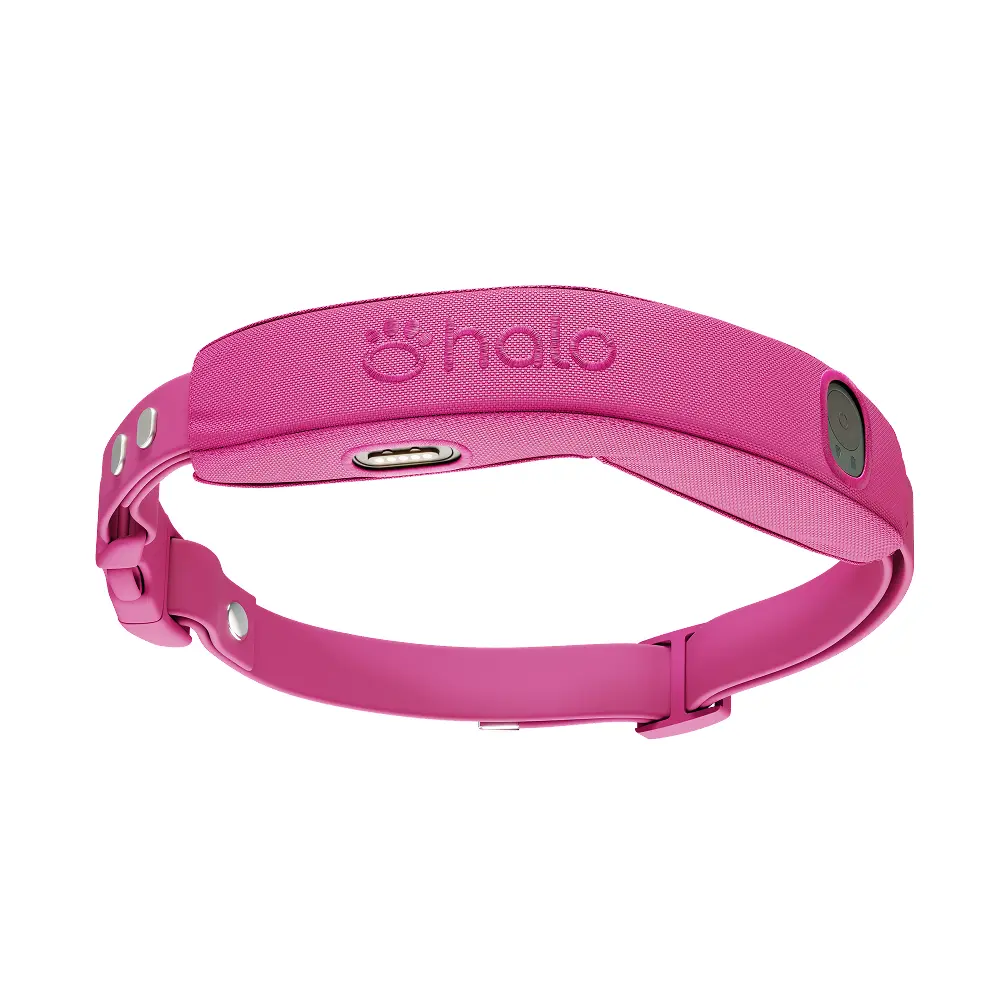
How Halo Collar works
Halo Collar uses GPS, Wi-Fi, and cellular data to help establish virtual fences. You mark safe zones in the app, and the collar communicates with your phone and the cloud to track your dog’s position. When your dog approaches a boundary, the collar can provide tones, vibration, and other cues depending on the training settings.
Here is the basic flow:
- You set the safe zone in the app.
- The collar tracks your dog’s movement.
- The collar warns your dog before the boundary.
- The collar can help reinforce training over time.
This is different from traditional invisible fences that use buried wire. Halo relies more on GPS accuracy, which is both a strength and a weakness. It gives you freedom to place boundaries anywhere, but it can also be less precise than a wired system in certain conditions.
The biggest benefits of Halo Collar
Halo Collar offers several clear advantages if your goal is flexibility and convenience. It can make life easier for people who move often, travel with pets, or do not want to install a fence. It also gives you one app-based system instead of juggling separate tools.
No physical fence required
This is the main selling point. You can create boundaries around a yard, a campsite, or even part of a vacation property without installing hardware in the ground. For renters or homeowners with HOA restrictions, that can be a game changer.
Training support built in
Halo is not only about containment. It also includes training features that help dogs learn where safe areas are. That can be helpful for puppies and for rescue dogs that need clear boundaries.
Location tracking adds peace of mind
If your dog gets out, the GPS tracking can help you find them faster. That extra layer of security matters a lot for escape artists. It is one of the reasons many owners feel Halo Collar is worth it even when the price feels high.
Portable for travel
You can bring it on trips, to cabins, or to temporary homes. That portability is something a physical fence cannot offer. For active families, that can make the system feel more valuable.
The biggest drawbacks you should know
Halo Collar is not perfect, and these limits matter. The first issue is cost. You are not just paying for the device; there may also be subscription fees for service and features, which raises the total ownership cost.
Another concern is GPS reliability. Trees, tall buildings, and poor signal conditions can affect performance. If you live in an area with a lot of signal interference, that can reduce trust in the system.
Here are the main drawbacks:
- Monthly or ongoing costs can add up.
- GPS accuracy is not as exact as a physical fence.
- Some dogs need more training than others.
- The collar may feel bulky for smaller dogs.
- Battery life requires regular attention.
I also think owners sometimes expect too much from tech. A collar can guide and support training, but it cannot replace supervision, repetition, or good recall skills.
Who Halo Collar is best for
Halo Collar tends to make the most sense for people who want flexible boundaries and are willing to train consistently. It fits certain homes and certain dogs much better than others. If you match the use case, it can be a strong solution.
Halo Collar may be a good fit if you:
- Have a yard that is hard to fence physically
- Rent and cannot install a permanent fence
- Travel often with your dog
- Want GPS tracking plus containment in one device
- Have time to train your dog properly
It may be less ideal if you:
- Want a one-time purchase with no recurring costs
- Need ultra-precise fencing
- Have a very small dog or a sensitive dog
- Live in an area with poor GPS reception
- Do not plan to train regularly
What real-world use looks like
From a practical standpoint, Halo Collar works best when the owner builds habits around it. That means short training sessions, clear praise, and checking the boundary setup often. In the best cases, dogs learn the routine and seem to understand the system quickly.
I’ve seen the best results when owners treat the collar like a seat belt, not a steering wheel. It is there to help keep the dog safe, but the human still needs to drive the plan. That mindset prevents disappointment and makes the tool more useful.
A common mistake is turning the system on and expecting the dog to understand it instantly. Dogs learn by repetition. If you rush the process, you may blame the collar when the real issue is training time.
Halo Collar vs. physical fence vs. other GPS collars
When people compare Halo Collar, they are usually comparing three things: cost, convenience, and reliability. A physical fence is often more reliable but less flexible. Other GPS collars may track location well but lack the training and virtual fence features Halo offers.
Here’s a simple way to think about it:
- Physical fence: best for precision and long-term reliability
- Invisible wire fence: good balance of cost and containment
- Halo Collar: best for portability and flexible setup
- Basic GPS tracker: best for finding a lost dog, not boundary training
If your main goal is containment in a fixed yard, a wired fence may be cheaper and more dependable. If your goal is a portable, app-based system with training support, Halo Collar is more compelling.
Cost breakdown: is Halo Collar worth the money?
The price question is a big part of whether Halo Collar is worth it. You should look at the full cost, not just the collar itself. That includes the device, possible subscription fees, replacement parts, and your time spent training.
Ask yourself these questions:
- How much would a physical fence cost in your area?
- Do you need a portable option?
- Will you actually use the training features?
- Is location tracking important to you?
If the collar replaces a costly fence installation and gives you added safety, the price can be justified. If you only need a simple containment tool, it may feel expensive for what it does.

Tips to get the most value from Halo Collar
If you decide to buy Halo Collar, the way you use it matters a lot. A good setup can make the difference between frustration and success. Think of it like buying a bike helmet: the product helps, but only if it is fitted and used properly.
Here are a few practical tips:
- Start training in a calm, distraction-free area.
- Use short sessions and reward good behavior often.
- Test boundary alerts before trusting the system fully.
- Check battery life and app settings regularly.
- Make sure the collar fits snugly but comfortably.
I also recommend watching your dog closely for the first few weeks. You want to learn how they respond before relying on the system for long periods. That early attention can prevent escapes and bad habits.
Common mistakes to avoid
A lot of negative Halo Collar reviews come from avoidable mistakes. The biggest one is skipping training. Another is assuming GPS is perfect in every environment.
Avoid these mistakes:
- Setting boundaries too close to roads or hazards
- Using the collar without teaching the cues first
- Ignoring app alerts and battery warnings
- Choosing the wrong collar size for your dog
- Expecting it to work as well indoors as outdoors
The collar is a tool, not magic. When owners understand that, satisfaction goes up a lot.
Is Halo Collar worth it for different types of dogs?
The answer changes based on your dog’s behavior. Calm, smart, and trainable dogs often do well with virtual fence systems. Highly anxious or stubborn dogs may need more time and structure.
For puppies, Halo can be helpful if introduced slowly. For adult dogs with a strong recall history, the learning curve may be easier. For escape-prone dogs, the GPS backup is reassuring, but you still need a strong training plan.
If your dog is very small, very sensitive, or easily stressed, check fit and correction settings carefully. Comfort matters. A tool that scares your dog will not build trust.
Frequently Asked Questions of Is Halo Collar Worth It?
Is Halo Collar good for all dogs?
No, it is not ideal for every dog. It tends to work best for dogs that respond well to training and can wear the collar comfortably.
Does Halo Collar need a subscription?
Yes, many of the smart features depend on an ongoing service plan. That monthly cost is part of the real price, so it should be included in your budget.
Is Halo Collar better than an invisible fence?
It depends on your needs. Halo Collar is more portable and flexible, while a wired invisible fence is often more precise and may be more reliable in fixed locations.
How accurate is Halo Collar GPS?
GPS accuracy is usually good enough for boundary guidance, but it is not perfect. Trees, buildings, and signal issues can affect performance, so it should not be treated like a physical fence.
Can Halo Collar help with training?
Yes, training is one of its main strengths. It uses consistent cues to help your dog learn boundaries, but you still need to practice regularly and reinforce good behavior.
Conclusion
Halo Collar can be worth it if you want a portable, tech-based containment system and you are ready to train with it. It offers real value for the right home, especially when a physical fence is not practical or when GPS tracking adds peace of mind. At the same time, it is not the cheapest option, and it works best when you understand its limits.
If you are still deciding, weigh the total cost, your dog’s temperament, and how much training effort you can give. That honest checklist will help you make a smarter choice and avoid buyer’s remorse. If this guide helped, take a closer look at your yard, your routine, and your dog’s habits before you buy, and feel free to explore more pet safety tips or leave a comment with your experience.