Is Zignature Worth It: Honest Review 2026
Zignature is worth it for many dogs, but only if your pet fits its limited-ingredient, protein-first formula.
If you are asking whether Zignature is worth it, you are probably trying to balance quality, price, and your dog’s real needs. That is the right way to look at it. In my experience reviewing dog foods and comparing ingredient lists, Zignature stands out for dogs with food sensitivities, but it is not the best match for every home, every budget, or every dog. Let’s look at what it offers, where it shines, and where it may fall short so you can decide with confidence.
What Is Zignature?
Zignature is a premium dog food brand known for its limited-ingredient recipes and single-animal-protein formulas. It is often chosen by pet parents who want to avoid common triggers like chicken, corn, wheat, soy, and dairy.
The brand focuses on simple formulas with a short ingredient list. That can be helpful for dogs that do better on fewer ingredients or need an elimination-style diet. In plain terms, Zignature tries to keep things clean and predictable, like a short grocery list instead of a crowded cart.
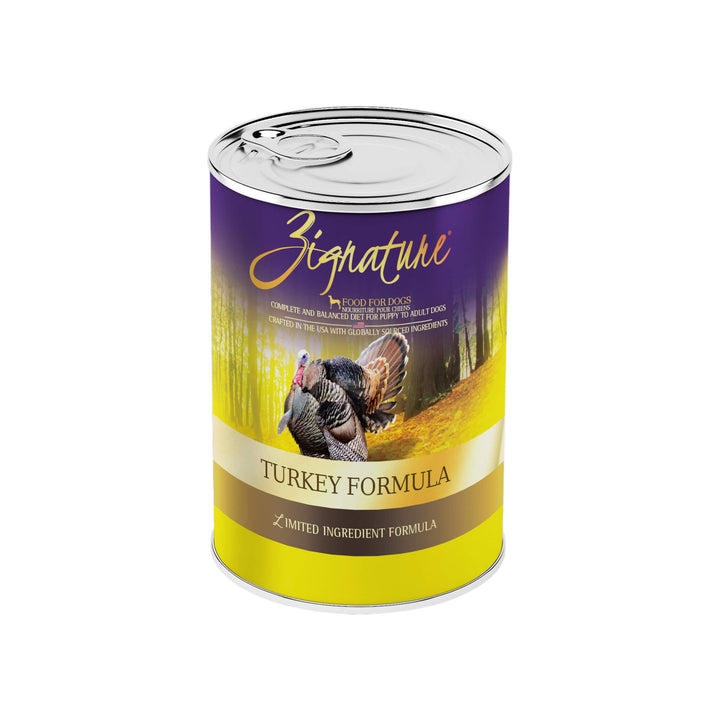
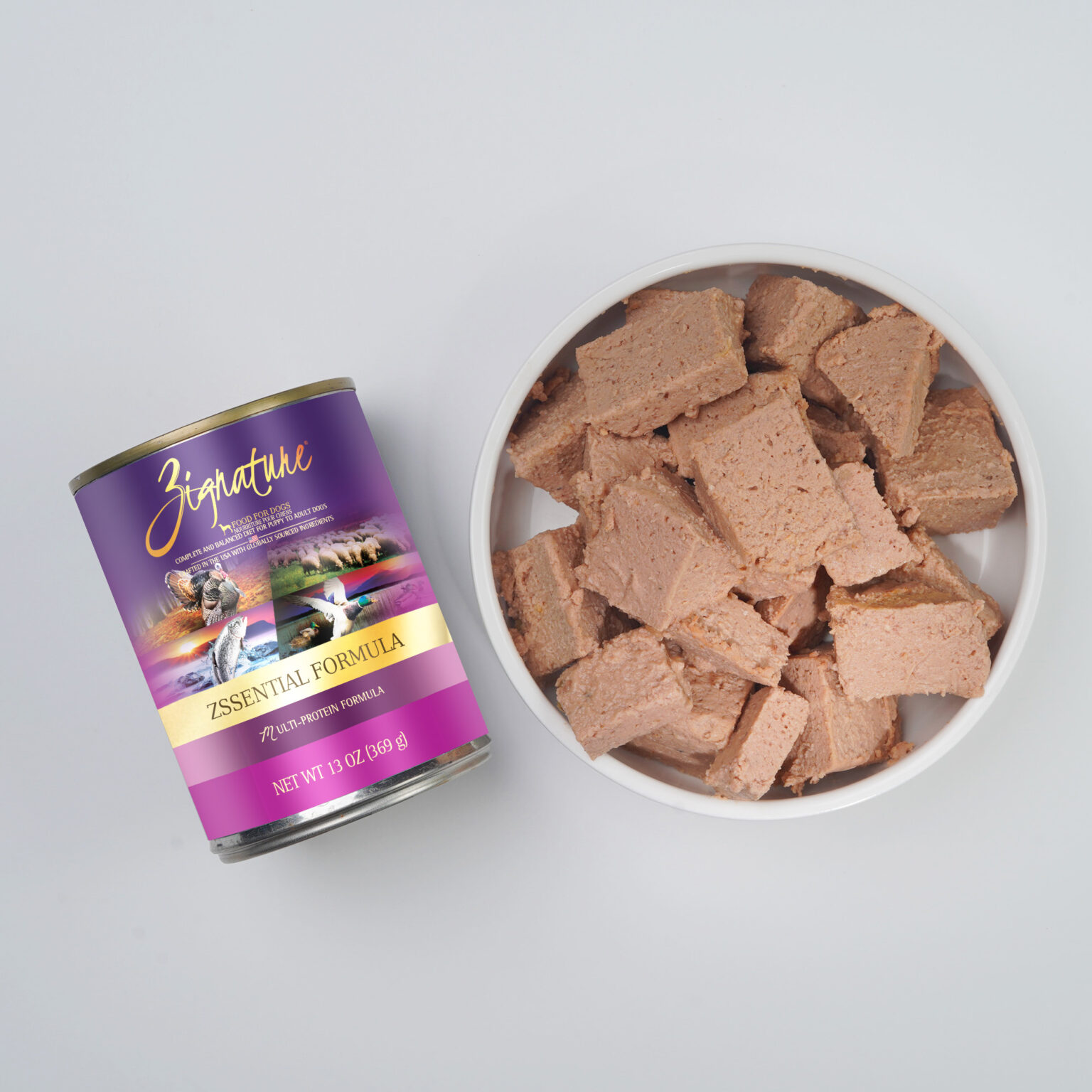
The company also offers dry food, canned food, and some treats. Most recipes use novel proteins such as kangaroo, trout, duck, lamb, venison, and salmon. That makes Zignature feel a bit different from many mainstream brands that lean heavily on chicken or beef.
Is Zignature Worth It for Most Dogs?
Zignature is worth it if your dog has food sensitivities, digestive issues, or does better with a simpler recipe. It can also be worth it if you want a higher-end food with clearly named proteins and no obvious filler-heavy approach.
That said, “worth it” depends on the dog in front of you. A healthy dog with no food issues may do just as well on a less expensive food that still meets AAFCO nutritional standards. I have seen dogs thrive on Zignature, but I have also seen dogs do fine on more affordable options when the formula was a better fit for their age, size, and energy level.
If you are paying extra, you should expect a real benefit. With Zignature, that benefit usually comes from ingredient simplicity, protein variety, and a formula that may be easier for some dogs to tolerate.
What Makes Zignature Different?
Zignature’s biggest selling point is its limited-ingredient design. Instead of stacking many protein sources and long lists of extras, it keeps recipes focused.
Here is what usually sets it apart:
• Single-animal proteins that may help reduce diet confusion
• No corn, wheat, soy, or chicken in many recipes
• Novel protein options for picky or sensitive dogs
• Grain-free formulas in many product lines
• Wet and dry options for different feeding needs
The novel protein angle matters more than people think. If a dog has eaten chicken-based food for years and starts itching, scratching, or having soft stool, a change to a formula like Zignature may help identify whether the issue is food-related.
Still, limited ingredient does not automatically mean better. It just means fewer ingredients, which is helpful in some cases and not very important in others.
Ingredient Quality and Nutrition
When people ask whether Zignature is worth it, ingredients are usually the first thing they want to know about. That makes sense. Food is fuel, and the ingredient panel tells a big part of the story.
Zignature recipes often include meat, meat meals, legumes, vegetables, and added vitamins and minerals. Many formulas are protein-forward, which can support active dogs and dogs that need more satiety.
Some common pros include:
• Clearly named animal proteins
• No vague “meat by-product” style language in most formulas
• Added nutrients for balanced feeding
• Moisture-rich canned options for dogs that need softer food
But there are some tradeoffs to know:
• Many formulas are grain-free, which may not be ideal for every dog
• Some recipes use legumes and peas, which some owners prefer to limit
• A limited ingredient list does not guarantee superior digestibility for every pet
From a practical point of view, ingredient quality should be judged alongside how the dog actually responds. A beautiful label means little if the dog still has gas, itching, loose stool, or no interest in eating.
Is Zignature Good for Dogs With Allergies or Sensitivities?
For many dogs, yes, Zignature can be a strong choice for food sensitivities. Its simple recipes make it easier to spot possible triggers.
I have seen cases where a dog switched from a multi-protein formula to a Zignature recipe and improved within a few weeks. The win was not magic. It was often just fewer problem ingredients and a cleaner feeding pattern. That is the kind of improvement sensitive-dog owners notice fast.
Common situations where Zignature may help:
• Chronic itching that may be linked to food
• Loose stool after switching foods often
• Dogs that react poorly to chicken-based diets
• Dogs needing a novel protein during an elimination diet
Even so, not every skin issue is caused by food. Fleas, environmental allergies, and yeast can all cause similar symptoms. So if your dog has severe symptoms, it is smart to involve a vet instead of guessing.
Is Zignature Good for Puppies?
Zignature is not always the best first choice for puppies unless the specific recipe is clearly labeled for growth or all life stages. Puppies need precise nutrition for bone, muscle, and brain development.
This is an area where many pet owners get tripped up. A food can look healthy and still not be the best match for a growing dog. Puppies need the right calcium, phosphorus, protein, and calorie balance, not just a trendy ingredient list.
If you have a puppy, check these points carefully:
• The label should state it is complete and balanced for growth or all life stages
• The calorie density should fit your puppy’s breed and expected size
• Your vet should confirm it is appropriate for your pup’s age and health
If you are feeding a very large-breed puppy, be extra careful. Growth nutrition is one of those areas where “good enough” can become a problem later.
Is Zignature Worth the Price?
Zignature is usually more expensive than budget dog foods, so the real question is whether the extra cost leads to a clear payoff.
For dogs with sensitivities, picky eating habits, or stomach troubles, the answer may be yes. If the food reduces vet visits, soft stool, or constant food switching, it can actually save money and stress over time. That is one reason premium food sometimes feels cheaper in the long run.
For healthy dogs with no special needs, the price may feel harder to justify. You may be paying for a formula your dog does not need. In that case, the value is less obvious.
A simple way to think about it:
• Worth it if the food improves your dog’s comfort, stool, skin, or appetite
• Less worth it if your dog does fine on a lower-cost, balanced food
• Worth it for targeted needs, not just for the brand name
Pros and Cons of Zignature
A balanced look helps make the decision easier.
Pros:
• Limited ingredients make it easier to manage sensitivities
• Novel protein choices are useful for elimination diets
• No chicken, corn, wheat, or soy in many recipes
• Wet and dry options add flexibility
• Many dogs like the taste
Cons:
• Can be pricey compared with mainstream brands
• Grain-free formulas may not suit every dog
• Limited ingredients are not a cure-all
• Some recipes use legumes, which some owners prefer to avoid
• Not always the best choice for puppies unless labeled appropriately
If I had to sum it up from a practical angle, Zignature is a tool, not a miracle. The tool is useful when the job calls for it.
How to Know If Zignature Is a Good Fit
Before buying a full bag, it helps to test the match carefully. I usually suggest changing food slowly and watching for real changes, not just hopeful ones.
Look for these signs:
• Stool becomes firmer and more regular
• Itching or licking improves
• Your dog eats with interest
• Gas and bloating decrease
• Energy stays steady
Watch for these warning signs:
• Vomiting or diarrhea after the switch
• More scratching or ear issues
• Refusing food completely
• Weight loss or low energy
A good food should make your dog’s life calmer, not more complicated. If the switch causes stress, back up and reassess.
Best Way to Transition to Zignature
A slow transition is the safest move. Dogs often do better when their stomach has time to adjust.
Try this simple method:
- Days 1 to 3: Mix 25% Zignature with 75% old food
- Days 4 to 6: Mix 50% Zignature with 50% old food
- Days 7 to 9: Mix 75% Zignature with 25% old food
- Day 10: Feed 100% Zignature if all goes well
If your dog has a sensitive stomach, slow it down even more. Some dogs need two full weeks. That is normal and often smarter than rushing.
Also, keep treats simple during the transition. Mixing in a bunch of new snacks at the same time can muddy the results.
What Experts Usually Look For in a Premium Dog Food
When veterinarians and nutrition-focused professionals evaluate a dog food, they usually look beyond the marketing. That is where the real value shows up.
Key things to check:
• A complete and balanced nutritional statement
• Appropriate life-stage labeling
• Clear protein and fat sources
• Digestibility and stool quality
• The dog’s actual response after feeding
This is why Zignature can be a good buy for one dog and only average for another. Good nutrition is personal. It is not just about what sounds healthy on the bag.
Common Mistakes to Avoid
I have seen a few repeat mistakes from dog owners trying premium foods.
Avoid these:
• Switching too fast and blaming the food too soon
• Choosing Zignature only because it sounds premium
• Ignoring your dog’s life stage needs
• Assuming grain-free automatically means better
• Forgetting to track real symptoms like stool, itchiness, and appetite
If you are testing a new food, keep notes for two to four weeks. That makes patterns much easier to spot. It also helps you make a smarter choice instead of going by guesswork.
Is Zignature Worth It for Picky Eaters?
It can be. Many picky dogs like the smell and protein variety, especially with the canned formulas or richer dry recipes.
From experience, picky eaters often respond better when the food smells more like real meat and less like plain kibble dust. Zignature sometimes checks that box. But picky eating can also be a sign of dental pain, boredom, or overfeeding treats, so it is worth looking at the whole picture.
If your dog refuses several foods, do not assume Zignature will solve everything. It may help, but picky eating often has more than one cause.
Frequently Asked Questions of Is Zignature Worth It?
Is Zignature a good dog food brand?
Yes, Zignature is a good option for many dogs, especially those with food sensitivities or ingredient restrictions. It is known for limited-ingredient recipes and novel proteins, which can make it easier to digest for some pets.
Does Zignature help with allergies?
It may help if the allergy or sensitivity is tied to a common ingredient like chicken or grains. But not all allergies are food-related, so it is best to work with a vet if symptoms are ongoing or severe.
Is Zignature worth it for healthy dogs?
It can be, but it depends on your goals and budget. If your dog does well on a less expensive balanced food, the added cost may not bring much extra benefit.
Is Zignature grain-free?
Many Zignature recipes are grain-free, but you should always check the specific bag or can. Grain-free diets are not automatically better, so it is smart to choose based on your dog’s needs, not just the label.
Can puppies eat Zignature?
Some Zignature formulas may be suitable for growth or all life stages, but not all of them are ideal for puppies. Always verify the nutritional statement on the package and confirm with your vet before feeding a puppy.
Conclusion
Zignature is worth it when your dog needs a simple, protein-focused food that may help with sensitivities or picky eating. It offers strong value for the right dog, but it is not a universal upgrade for every household or every budget.
If you are deciding whether to try it, focus on your dog’s actual results: stool, skin, appetite, energy, and overall comfort. That is the best test there is. Take the time to compare labels, transition slowly, and choose the food that truly fits your dog’s needs.
If this helped, keep exploring your options, talk with your vet if your dog has ongoing symptoms, and leave a comment with your experience so other pet parents can learn too.