Is Basepaws Dog DNA Test Worth It: Honest Review 2026
Basepaws Dog DNA Test is worth it if you want breed insights, health clues, and a clearer care plan.
If you are trying to decide whether the Basepaws Dog DNA Test is worth it, the real answer depends on what you want from a dog DNA kit. I’ve looked closely at how these tests work, what they can and cannot tell you, and how useful the results are in everyday pet care. In this guide, I’ll break down the value, limits, and best use cases for the Basepaws Dog DNA Test so you can make a smart choice with confidence.

What Is the Basepaws Dog DNA Test?
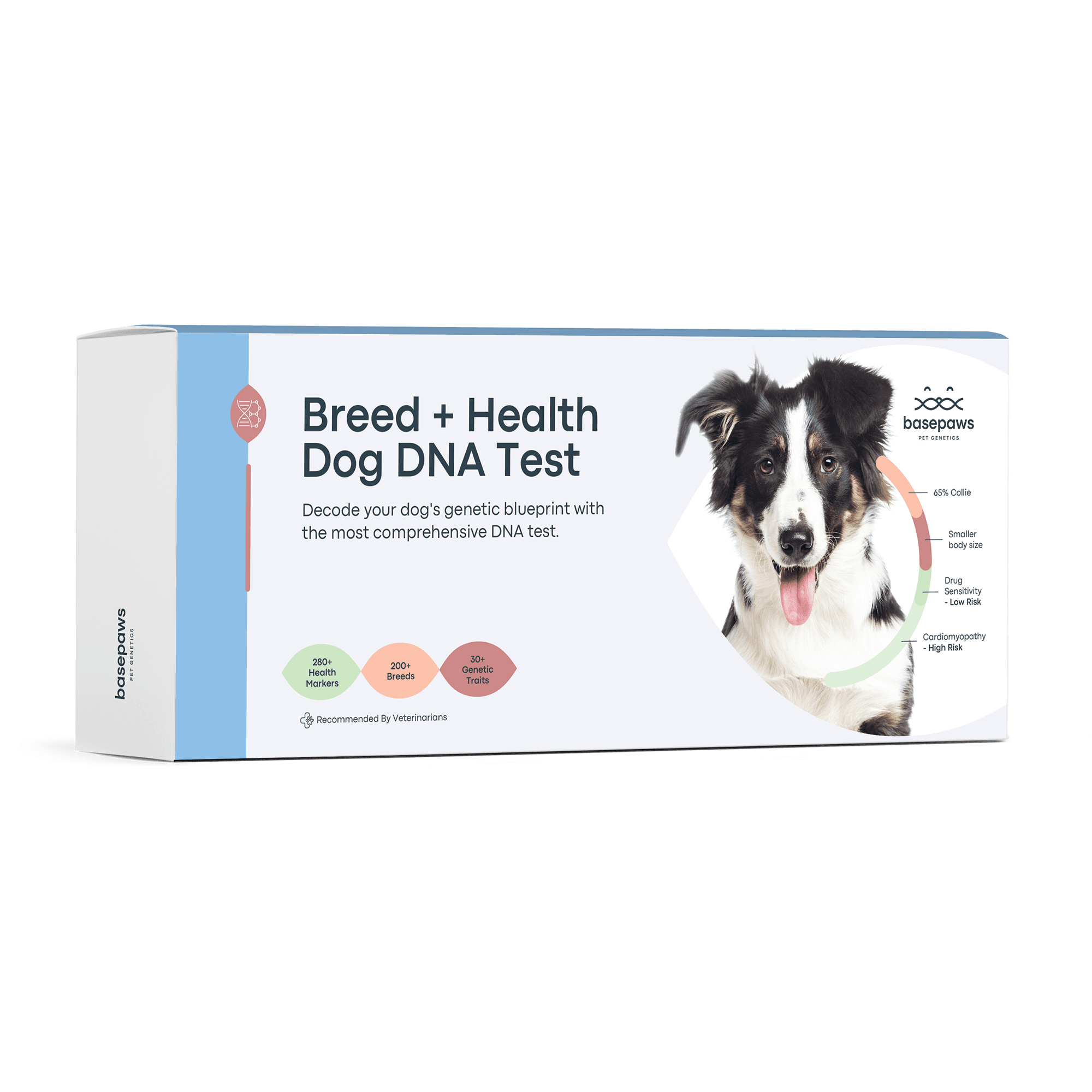
The Basepaws Dog DNA Test is a home kit that helps identify your dog’s breed mix and may offer health-related genetic insights. You collect a saliva sample, send it to the lab, and then get results through an online report.
At a basic level, it works like a genetic snapshot. It can help you better understand your dog’s ancestry, possible trait patterns, and some inherited health risks. That can be useful if you adopted a mixed-breed dog or if you just want more context for training, feeding, and long-term care.
In my view, that is where the real value begins. A DNA test is not magic, but it can be a helpful map when you are trying to care for a dog with an unknown background.
Is Basepaws Dog DNA Test Worth It for Most Dog Owners?
For many owners, yes, the Basepaws Dog DNA Test is worth it, especially if breed mystery or genetic health awareness matters to you. If you simply want fun facts, the test can still be enjoyable. If you want deeper health and breed context, it becomes more useful.
Here is the simple way to think about it:
- It is worth it if you adopted a mixed-breed dog and want breed clues.
- It is worth it if you want to watch for inherited health risks.
- It is worth it if you like using data to guide pet care.
- It may not be worth it if you only want a very exact, clinic-level medical answer.
- It may not be worth it if your dog is purebred and already has a clear history.
I have seen a lot of pet owners expect a DNA test to explain everything about a dog. That is where disappointment starts. The Basepaws Dog DNA Test is best used as a guide, not a diagnosis.
What You Get With the Basepaws Dog DNA Test
The exact report can vary by product, but the core value usually comes from a few main areas. These are the parts most owners care about when they ask whether the Basepaws Dog DNA Test is worth it.
Breed ancestry insights
The test can estimate your dog’s breed mix from a DNA sample. For mixed-breed dogs, this often answers the question everyone asks at the park: “What is he?”
Breed estimates can help explain:
- Energy level
- Size and build
- Coat type
- Instincts like herding or chasing
- Training behavior patterns
Health-related genetic markers
Some dog DNA tests look for markers linked to inherited conditions. This can be valuable because it may alert you to risks before symptoms appear.
That said, a health marker is not the same as a diagnosis. It is more like a warning light on a dashboard. It tells you to pay attention, not to panic.
Trait and wellness clues
Depending on the report, you may also learn about traits such as:
- Coat texture
- Shedding tendencies
- Size expectations
- Sensory traits
- Physical features
These details can help you choose better food, grooming tools, and exercise routines.
The Biggest Benefits of Basepaws Dog DNA Test
The Basepaws Dog DNA Test is popular because it offers more than just breed curiosity. It can support better decisions in real life.
Better understanding of your dog
When you know your dog’s breed mix, you can often make better guesses about behavior and exercise needs. That does not replace observation, but it adds useful context.
For example, if your rescue dog has herding breeds in the mix, you may notice strong chase behavior or a need for structured play. That kind of insight can save a lot of trial and error.
Early awareness of possible risks
Genetic health insights can help you talk to your vet more clearly. If a test flags a risk, you may decide to monitor symptoms more closely or ask about preventive care.
This can be especially helpful for owners of mixed-breed dogs with no family records. It gives you a place to start.
Helpful for rescue and adoption stories
Many adopters love DNA results because they turn a mystery into a story. Knowing a dog’s background can make bonding feel more personal.
I have found that this matters more than people expect. Once owners understand why a dog behaves a certain way, they often become more patient and more confident.
Can guide practical daily care
Breed and trait data may influence:
- Feeding portions
- Exercise plans
- Grooming routines
- Training methods
- Health monitoring habits
That practical use is one reason the Basepaws Dog DNA Test can feel worth the cost.
The Limits of Basepaws Dog DNA Test
No honest review would ignore the limits. The Basepaws Dog DNA Test can be useful, but it is not perfect, and it should not be treated like a vet visit.
Breed estimates are not always exact
Dog DNA results can be broad rather than precise. That is common across the industry because breed databases and genetic overlap are still not perfect.
So if a test says your dog is part Terrier, part Retriever, and part unknown, that is not unusual. It still may be helpful, but it is not the same as a family tree.
Health results need context
A health-related marker does not mean your dog will develop a disease. It only means there may be a genetic risk.
This is where owners sometimes overreact. I always suggest using the report as a conversation starter with your vet, not as a reason to self-diagnose.
Sample quality can affect results
Like any at-home DNA test, sample collection matters. If your dog eats or drinks right before collection, or if the swab is not handled correctly, results can be delayed or less useful.
A simple mistake here can waste time and money. Following the instructions carefully makes a big difference.
Not a replacement for veterinary care
This is the most important limit. A DNA test cannot replace lab work, physical exams, or medical imaging.
Think of it as a flashlight, not a full light switch. It helps you see more, but it does not show everything.
How Basepaws Compares to Other Dog DNA Tests
If you are comparing dog DNA kits, Basepaws is one of several options in a crowded market. Most buyers compare it with tests that also offer breed ancestry and health screening.
Here is how to think about the comparison:
- Breed focus matters if you mainly want to know ancestry.
- Health screening matters if you want risk information too.
- Database size matters because larger reference panels can improve breed matching.
- Report clarity matters because some results are easier to understand than others.
- Vet-friendly info matters if you plan to use the results in care decisions.
From a practical standpoint, the best test is the one that gives you clear, useful information you will actually use. A fancy report that sits unread in your inbox is not worth much.
When the Basepaws Dog DNA Test Is Worth the Money
The Basepaws Dog DNA Test is most worth it in these situations:
- You adopted a mixed-breed dog with unknown background
- You want to understand behavior through breed clues
- You want added awareness of inherited health risks
- You like tracking wellness data over time
- You want a meaningful gift for a dog lover
It is especially valuable if you are the kind of owner who likes to connect the dots. For example, if your dog has skin issues, joint stiffness, or strong food sensitivity, DNA insights may help you ask better questions.
I have also seen owners use the results to make better grooming and exercise choices. That kind of everyday value often makes the test feel more worthwhile than the novelty alone.
When It May Not Be Worth It
There are also cases where the Basepaws Dog DNA Test may not be the best buy.
You may want to skip it if:
- You only want entertainment
- You need a medical answer right now
- Your vet already knows your dog’s relevant health history
- You are not likely to use the results
- Your budget is tight and other pet expenses come first
If money is limited, I would always put core care first. Food, preventive vet visits, dental care, and parasite prevention usually matter more than any DNA report.
What to Expect From the Testing Process
The process is usually simple, which is one reason people like at-home dog DNA kits.
Here is the basic flow:
- Register the kit online.
- Collect the saliva sample using the swab.
- Follow the waiting instructions so the sample is clean.
- Mail it back to the lab.
- Wait for the online report.
The biggest tip I can share is to be careful with the sample step. The more clean and calm the collection, the better your odds of getting useful results the first time.
How to Read the Results Without Overthinking Them
Dog DNA reports can feel exciting, but it is easy to read too much into them. The healthiest approach is to use the results as one piece of the puzzle.
A smart way to interpret the report:
- Look for repeat patterns across several traits
- Use breed info to explain behavior, not excuse it
- Treat health risks as prompts for prevention
- Compare findings with your dog’s real behavior and vet history
- Ask your vet if any result changes care decisions
This is where many owners get the most value. The report is not the final word. It is the start of better questions.
Expert Tips Before You Buy
Before buying the Basepaws Dog DNA Test, keep these practical tips in mind:
- Check what kind of report you want most, breed, health, or traits
- Read the fine print on what the test does not cover
- Make sure your expectations are realistic
- Plan to share useful health results with your vet
- Use the results to improve daily care, not just satisfy curiosity
If I could give one piece of advice, it would be this: buy the test for a reason. When owners know why they are testing, they usually feel happier with the outcome.

Frequently Asked Questions of Is Basepaws Dog DNA Test Worth It?
How accurate is the Basepaws Dog DNA Test?
The accuracy depends on the type of result and the quality of the reference database behind it. Breed estimates and health markers can be helpful, but they should be viewed as informational, not absolute.
Can Basepaws Dog DNA Test diagnose disease?
No, it cannot diagnose disease. It can only identify certain genetic risks or markers that may be worth discussing with your veterinarian.
Is the Basepaws Dog DNA Test good for mixed-breed dogs?
Yes, mixed-breed dogs are often the best match for DNA testing because the results can reveal background information you would not otherwise know. That can help explain behavior, size, coat type, and some health tendencies.
How long does it take to get results?
Turnaround time can vary, but most at-home DNA tests take a few weeks from sample return to final report. Delays can happen if the sample is poor or if the lab has a backlog.
Should I ask my vet about the results?
Yes, especially if the report shows a possible health risk or anything that seems important to your dog’s care. A vet can help you separate useful information from noise.
Conclusion
So, is Basepaws Dog DNA Test worth it? For many dog owners, yes, especially if you want breed insights, trait clues, and a better view of possible genetic risks. It is most valuable when you use it as a tool for smarter care, not as a perfect answer machine.
The best results come from realistic expectations and a practical mindset. If you are curious about your dog’s background and want information that may help guide health and behavior decisions, the Basepaws Dog DNA Test can be a solid buy. Take the time to compare your goals, review the report carefully, and use what you learn to support your dog’s long-term well-being.
If you found this guide helpful, explore more pet care resources and share your experience with dog DNA testing in the comments.