Is FURminator Worth It: Honest Review For Pet Owners
FURminator is worth it for many heavy shedders, but it is not the best tool for every pet.
If you have ever cleaned a sofa that looks like it was covered in a fur blanket, you already know why this question matters. The FURminator has a strong reputation in pet grooming, but the real answer depends on your pet’s coat, shedding level, and how you use the tool. In this guide, I’ll break down what the FURminator does well, where it falls short, and whether it deserves a spot in your grooming kit.
What the FURminator Actually Does
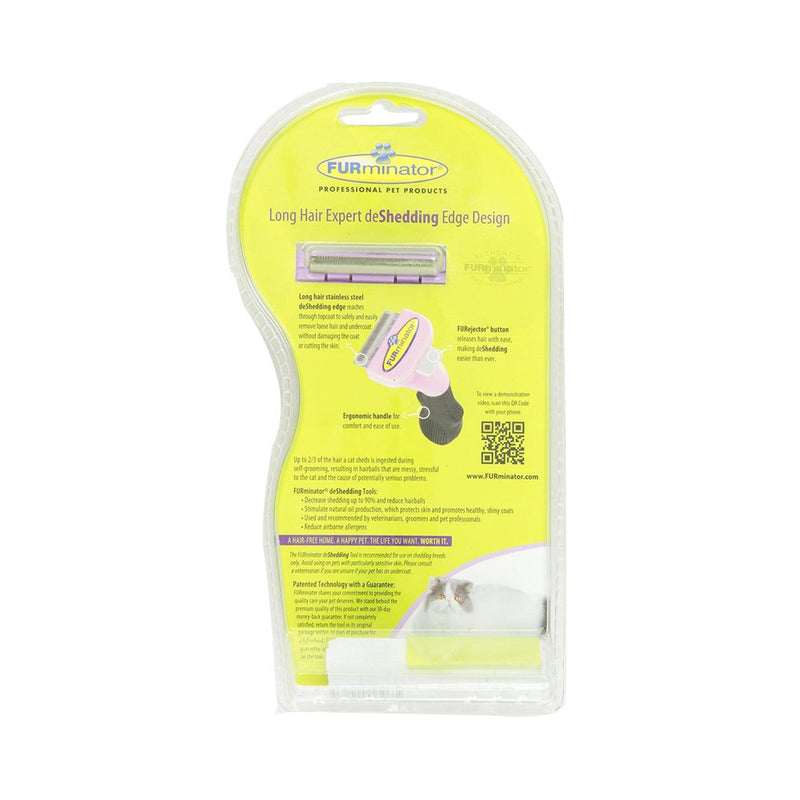
The FURminator is a de-shedding tool made to pull out loose undercoat hair before it ends up on your floors, clothes, and furniture. It is designed for dogs and cats with double coats or thick coats that shed heavily. The stainless steel edge reaches deeper than a basic brush, which is why it can remove so much fur in a short time.
This is also why people either love it or overuse it. Used the right way, the FURminator can make grooming much easier. Used too hard or too often, it can irritate the skin or thin out healthy coat hair.
From my experience, it works best like a sharp kitchen knife: powerful, useful, and best handled with care. It is not a magic fix, but for the right pet, it can be a game changer.
Is FURminator Worth It for Dogs and Cats?
Yes, FURminator is worth it for many pets, especially heavy shedders with an undercoat. If your dog or cat leaves hair everywhere and regular brushing barely helps, this tool can make a big difference. It often removes more loose fur in one session than a standard slicker brush or comb.
That said, it is not ideal for every pet. Short-haired pets with little undercoat, curly-coated breeds, and pets with sensitive skin may do better with a softer grooming tool. If your pet already has skin issues, you should be extra careful and check with your vet first.
Here is the simplest way to think about it:
- Worth it if your pet sheds a lot and has an undercoat
- Worth it if you want less fur around the house
- Worth it if you are willing to use it gently and correctly
- Not worth it if your pet has a coat type it was not made for
- Not worth it if your pet gets sore, itchy, or stressed by brushing
A lot of pet owners expect the FURminator to replace all other grooming tools. It does not. It works best as part of a grooming routine, not the whole routine.
How the FURminator Works
The FURminator uses a fine stainless steel edge to reach through the topcoat and grab loose undercoat hair. That is the main reason it feels so effective. It does not just smooth the coat; it removes dead hair that would otherwise shed naturally over time.
Most models also have a button that helps release the collected hair. That makes cleanup easy and keeps the tool from clogging during use. The handle is usually shaped for comfort, which helps during longer grooming sessions.
The key is pressure. You are supposed to use light strokes, not dig into the skin. If the tool is pressed too hard, it can scrape the coat and cause discomfort.
Benefits of Using a FURminator
The biggest benefit is less shedding around your home. For many pet owners, that alone makes the FURminator worth the money. It can be especially helpful during seasonal shedding when loose fur seems to appear everywhere.
Other real benefits include:
- Less hair on furniture, carpets, and clothes
- Faster grooming sessions for thick-coated pets
- Better coat maintenance between baths
- Less matting when used with the right routine
- Easier cleanup than using a regular brush alone
In my own grooming experience, the biggest surprise was how much fur came out the first few times. It felt like I was brushing a cloud out of the coat. After that, the shedding did not disappear completely, but it became much easier to manage.
Limitations and Drawbacks You Should Know
The FURminator is not perfect, and that matters if you want an honest answer to is FURminator worth it. One major drawback is that it can be too aggressive for some coats. If used too often, it may remove too much loose topcoat or irritate the skin.
Other common issues include:
- It can be uncomfortable for sensitive pets
- It may not work well on very short-haired breeds
- It is less useful for single-coated dogs and cats
- It can be overused by people who want dramatic results every day
- It may create false confidence, making owners skip basic coat care
I have seen pet owners blame the tool when the real issue was technique. The FURminator should glide over the coat with short, gentle strokes. If you see redness, your pet is itchy, or the brush is catching too much, it is time to stop.
Best Coat Types for the FURminator
The FURminator is usually best for double-coated breeds and pets with a thick undercoat. These coats trap loose hair beneath the top layer, which is exactly what the tool is made to reach. That is where it shines.
Good candidates often include:
- Golden Retrievers
- German Shepherds
- Huskies
- Labradors with dense undercoats
- Maine Coons
- Persian-type long-haired cats with undercoat buildup
Breeds and coat types that may not benefit as much include:
- Poodles
- Yorkies
- Hairless breeds
- Very short-coated dogs with minimal shedding
- Pets with skin allergies or fragile coats
If you are unsure, look at how your pet sheds. If the coat releases a lot of loose fur but still feels full and healthy, the FURminator may be a strong fit.
How to Use the FURminator the Right Way
Using the FURminator correctly makes a huge difference. I have seen people press too hard because they assume more pressure equals better results. That usually backfires. Light strokes work better and protect the skin.
Try this simple routine:
- Brush your pet first with a regular grooming brush
- Make sure the coat is dry and free of mats
- Use the FURminator in short, gentle strokes
- Avoid overworking one spot
- Stop if the skin looks irritated
- Clean the tool often so it keeps working well
A good rule is to use it only during heavy shedding periods or a few times a week, not every single day. Think of it as a deep-clean tool, not a daily brush.
How It Compares to Other Grooming Tools
When people ask is FURminator worth it, they are often really asking whether it is better than a regular brush. The answer is usually yes for shedding control, but not for every grooming need. Different tools do different jobs.
Here is a simple comparison:
- Slicker brush: Good for general brushing and light tangles
- Undercoat rake: Good for thick coats and loose undercoat
- Rubber grooming mitt: Good for short-haired pets and gentle brushing
- Comb: Good for finishing and checking for knots
- FURminator: Best for removing loose undercoat hair efficiently
If your pet needs daily brushing, the FURminator should not be your only tool. It is more like the heavy-duty option in your grooming drawer.
Is FURminator Worth It for Shedding Control?
For shedding control, the answer is often yes. The FURminator is one of the more effective consumer grooming tools for reducing loose fur before it spreads through the house. That is why so many pet owners keep coming back to it.
Still, shedding is natural. No tool can stop it completely. A healthy coat, good nutrition, regular bathing, and proper brushing all matter too.
The best results usually come when you combine the FURminator with:
- A balanced diet
- Regular baths with pet-safe shampoo
- Routine brushing
- Parasite control
- Vet care for skin or coat problems
If you want less fur on your couch, the FURminator can help a lot. If you want zero shedding, that is not realistic.
Price vs Value: Is It a Good Buy?
The FURminator is usually more expensive than a basic brush, so value matters. If you have one shedding pet and you use the tool often, it can pay for itself in convenience. You may spend less time cleaning fur and less money replacing sticky lint rollers or vacuuming supplies.
If your pet barely sheds, the value drops fast. In that case, a cheaper brush might meet your needs just fine. The real question is not just price, but how much use you will actually get from it.
Here is a simple value test:
- High value if your pet sheds heavily
- Medium value if your pet sheds seasonally
- Low value if your pet sheds very little
- Low value if your pet hates brushing and refuses the tool
For many homes with heavy shedders, the convenience makes the cost easy to justify.
Common Mistakes to Avoid
One of the biggest mistakes is using the FURminator too often. People see fur coming out and assume more is always better. That can lead to irritation and coat damage.
Other mistakes include:
- Using it on wet fur
- Pressing too hard
- Skipping regular brushing
- Using it on the wrong coat type
- Forgetting to check the skin after grooming
I also recommend cleaning the blade often. A clogged tool loses effectiveness and can tug on the coat. Small habits like this make the experience much smoother for both you and your pet.
Frequently Asked Questions of Is FURminator Worth It?
Does the FURminator hurt pets?
It should not hurt when used correctly. If your pet flinches, scratches, or shows red skin, you may be pressing too hard or using it too often.
How often should I use the FURminator?
Most pets only need it during shedding periods or a few times per week. Daily use is usually too much for most coat types.
Can I use the FURminator on a short-haired dog?
Sometimes, but it depends on the coat and shedding level. If your dog has very little undercoat, a softer brush may be a better choice.
Is the FURminator better than a regular brush?
For loose undercoat removal, yes, often it is. For daily grooming, detangling, and sensitive pets, a regular brush may be more appropriate.
Why is my pet shedding so much even after using the FURminator?
Shedding is natural and does not stop completely. Diet, season, coat type, and health all affect how much fur your pet loses.
Conclusion
So, is FURminator worth it? For many heavy-shedding dogs and cats, yes, it absolutely can be. It is one of the most effective tools for reducing loose undercoat hair and making home cleanup easier. But it works best when matched to the right coat type and used with care.
If your pet sheds a lot and tolerates grooming well, the FURminator may be a smart buy. If your pet has a delicate coat or very light shedding, a gentler tool may serve you better. The smartest move is to choose based on your pet’s needs, not just the product hype.
If you are still deciding, try comparing your pet’s coat type with the tool’s purpose and use what fits best. And if this guide helped, leave a comment or explore more pet grooming tips to keep your home cleaner and your pet more comfortable.