Is Acana Worth It: Honest Review And Verdict
Acana can be worth it for many dogs and cats, but only if your pet does well on rich, meat-heavy food.
If you have been asking whether Acana is worth it, you are probably trying to balance price, ingredients, and real-world results. I have looked at pet food labels, fed dogs that do better on high-protein formulas, and seen how much difference a food can make when a pet has a sensitive stomach or a picky appetite. Let’s break down what Acana offers, where it shines, where it falls short, and how to decide if it is the right fit for your pet.
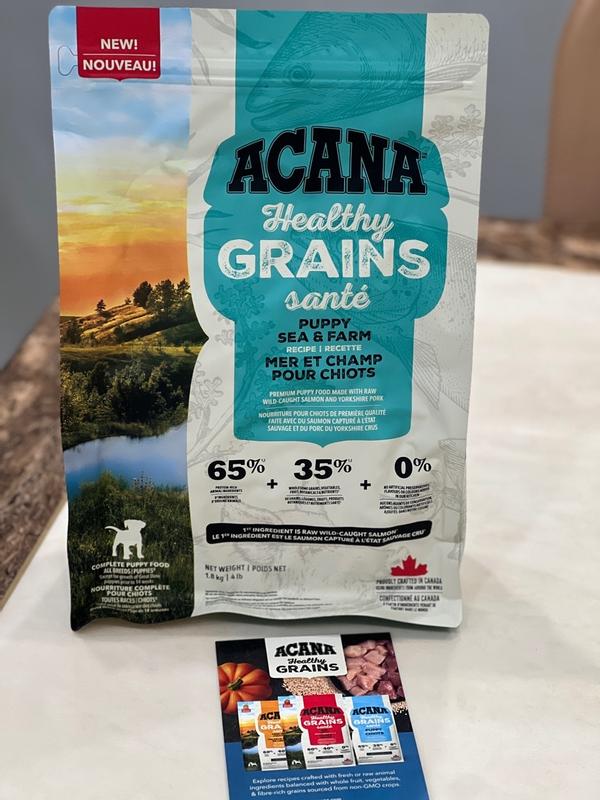
What Is Acana, and Why Do Pet Owners Talk About It So Much?
Acana is a premium pet food brand known for using meat-first recipes, limited fillers, and a focus on biologically appropriate nutrition. It is made by Champion Petfoods, a company that also makes Orijen, another well-known high-protein brand.
What makes Acana stand out is its ingredient style. Many recipes lean on animal proteins, legumes, fruits, and vegetables instead of corn, wheat, or soy. For pet owners who want a food that feels close to a natural diet, that matters a lot.
Acana is often compared to other premium brands because it sits in that middle zone. It is usually more affordable than Orijen, but more expensive than mainstream supermarket kibble. That price gap is why people keep asking, “Is Acana worth it?”
Is Acana Worth It for Most Pets?
For many pets, yes, Acana is worth it if they do well on higher-protein food and you want a more premium ingredient list. The real value comes from how your pet responds, not just from the label on the bag.
I have seen dogs perk up on Acana when they were previously eating bland, low-meat kibble. Their coats looked shinier, stools sometimes improved, and meal time became more exciting. But I have also seen pets do just as well on less expensive food, which is why the answer is not the same for everyone.
Acana is worth it most when:
- Your dog or cat thrives on meat-forward nutrition
- Your pet has no trouble digesting richer recipes
- You want fewer artificial additives and more named animal ingredients
- You are willing to pay more for premium quality
Acana may not be worth it if:
- Your pet has a very sensitive stomach and needs a gentler formula
- Your vet recommends a prescription or specialized diet
- Your budget is tight and you need a better value per pound
- Your pet does just fine on a lower-cost food

Acana Ingredients: What You Are Paying For
Acana recipes usually start with named animal proteins like chicken, lamb, turkey, fish, or duck. That is a big deal because the first ingredients often make the strongest impact on the overall nutrition profile.
You will also often see ingredients like lentils, peas, chickpeas, apples, squash, and carrots. These help add fiber, vitamins, and minerals. In my experience, this ingredient mix appeals to owners who want a food that looks less processed and more thoughtfully built.
Still, there are a few things to understand:
- Animal protein is a main strength, especially for active pets
- Legumes and plant ingredients help with fiber and structure
- Some recipes are calorie-dense, which can be good or bad depending on your pet
- Ingredient quality is not the same as ingredient tolerance, so a good label does not guarantee a good fit
A premium ingredient list is helpful, but your pet’s digestion, energy, and coat condition are the real test.
The Benefits of Choosing Acana
Acana has several clear strengths, and they are the reason many owners stay loyal to the brand.
High protein content
Many Acana formulas are rich in protein, which can support muscle maintenance and satiety. Active dogs often do well on this kind of diet because they need more fuel than couch potatoes.
Meat-first recipes
The brand usually puts animal ingredients near the top of the list. That is appealing if you want a food built around real protein rather than heavy grain content.
Variety of formulas
Acana offers recipes for puppies, adults, large breeds, indoor cats, and pets with different taste preferences. That makes it easier to find a formula that matches your pet’s needs.
Good palatability
A lot of pets enjoy the taste. If you have ever struggled with a stubborn eater, you know how valuable that can be. Sometimes the best food is the one your pet will actually eat consistently.
Premium brand reputation
Acana has a strong reputation in the premium pet food space. For many buyers, that trust matters almost as much as the ingredient panel.
The Downsides: Where Acana May Not Be Worth It
No pet food is perfect, and Acana is no exception. The biggest drawback for many people is cost. You are paying more than you would for standard kibble, so the question becomes whether your pet truly benefits from the upgrade.
Another concern is that some Acana formulas are rich enough to upset sensitive stomachs, especially during a fast switch. I have seen this happen more than once when owners moved too quickly from a basic food to a high-protein formula. A slow transition helps, but even then, some pets just prefer simpler recipes.
Possible limitations include:
- Higher price compared with many mainstream brands
- Rich formulas may not suit very sensitive pets
- Some recipes may be too calorie-dense for less active animals
- Not every formula works equally well for every pet
There is also the simple truth that premium does not always mean necessary. If your pet is healthy, happy, and thriving on a more affordable food, Acana may be a nice upgrade but not a must-have.
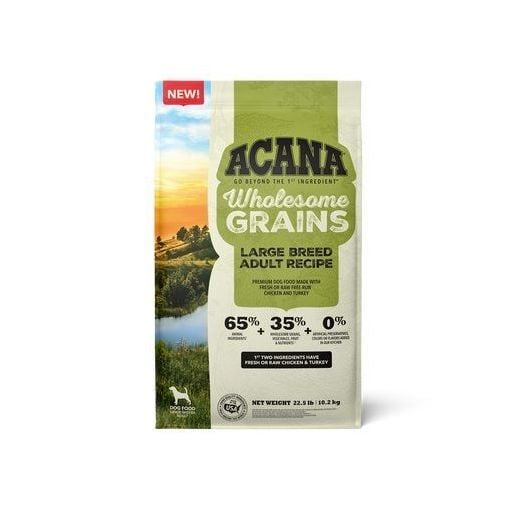
Acana Compared With Other Premium Pet Foods
When people ask whether Acana is worth it, they are usually comparing it with other brands in the same category. The most common comparison is with Orijen, which is typically richer and more expensive. Acana is usually the more budget-friendly sibling.
Compared with mainstream brands, Acana usually offers:
- Higher animal protein levels
- More ingredient variety
- Fewer low-cost fillers
- A more premium marketing and nutrition profile
Compared with some other premium brands, Acana may be:
- Better for pets that like meat-heavy meals
- Less suitable for pets needing a very simple formula
- A stronger fit for owners who prioritize protein and ingredient sourcing
If you are comparing labels, look past the front of the bag. Check:
- Guaranteed analysis
- Protein and fat levels
- Calorie count
- Main ingredients
- Feeding guidelines
That is where the real value shows up.
How to Know if Acana Is Right for Your Pet
The best way to decide if Acana is worth it is to match the food to your pet’s body and lifestyle. Fancy packaging means nothing if your dog ends up with loose stools or your cat refuses to eat.
Look for these signs that Acana may be a good fit:
- Your pet is active and burns a lot of energy
- Your pet does well on protein-rich food
- Coat quality, energy, and stool quality improve on richer diets
- Your pet has no history of food sensitivity to similar ingredients
Look for these signs that you may want a different food:
- Frequent vomiting or diarrhea after diet changes
- Excess weight gain from calorie-dense recipes
- Refusal to eat dry food or high-meat formulas
- A vet has already suggested a different diet plan
A practical tip I always suggest is this: buy a smaller bag first. That way, you can test how your pet does before committing to a large, expensive bag.
What Vets and Nutrition Experts Usually Look At
Most pet nutrition experts focus less on brand hype and more on complete and balanced nutrition, life stage fit, calorie control, and digestive tolerance. That is the right way to think about Acana too.
A good pet food should meet established nutritional standards, support healthy body condition, and work for your pet’s age, breed, and activity level. According to widely used pet nutrition guidance, the quality of a food is not just about whether the ingredients sound good. It is about whether the diet is formulated correctly and is appropriate for the individual animal.
That means Acana is not automatically better just because it uses premium ingredients. The real question is whether the formula fits your pet’s needs better than the cheaper alternatives.
My Practical Take After Reviewing and Testing Similar Foods
From my experience, Acana tends to be worth it for pets that do best on high-meat, nutrient-dense food and owners who are okay paying more for that profile. It often shines with active dogs, enthusiastic eaters, and pets that seem to look better on richer diets.
The mistake I see most often is switching too fast. Owners get excited about better ingredients, then wonder why their pet’s stomach gets upset. A gradual transition over several days is one of the simplest ways to avoid that problem.
Another lesson is not to chase premium branding alone. A food can have excellent ingredients and still be the wrong match. Think of it like shoes: the best-looking pair is useless if it rubs your feet raw.
How to Transition to Acana the Right Way
If you decide Acana is worth trying, introduce it slowly. That gives your pet’s digestive system time to adjust.
A simple transition plan:
- Days 1 to 2: 25% Acana, 75% old food
- Days 3 to 4: 50% Acana, 50% old food
- Days 5 to 6: 75% Acana, 25% old food
- Day 7 onward: 100% Acana
Watch for:
- Stool changes
- Gas
- Vomiting
- Itching
- Lower appetite
- Changes in energy
If issues show up, slow the switch down or check with your vet. Some pets need a gentler formula, and that is okay.

Is Acana Worth It for Dogs?
For many dogs, yes, Acana is worth it, especially if they are active, lean, and enjoy protein-rich meals. Dogs that need more flavor, more satiety, or a more meat-forward diet often do well on Acana.
It may be less ideal for:
- Dogs with sensitive digestion
- Overweight dogs needing strict calorie control
- Dogs on a vet-managed diet
- Very picky dogs that prefer simpler recipes
If your dog has done well on other premium foods, Acana can be a strong option. If your dog has a complicated health history, ask your vet before making the switch.
Is Acana Worth It for Cats?
For cats, Acana can also be worth it, because cats are obligate carnivores and often respond well to animal-based nutrition. A protein-rich cat food can support muscle mass and satisfy natural cravings.
That said, cats can be more stubborn than dogs when it comes to food changes. If your cat already likes a different high-quality food, a switch to Acana may not bring a dramatic benefit. The main win is usually better ingredient quality and a meat-forward formula, not magic.
Frequently Asked Questions
Is Acana a high-quality pet food?
Yes, Acana is generally considered a high-quality pet food because it uses named animal proteins and premium ingredients. It is also designed to be nutritionally complete and balanced for specific life stages.
Is Acana worth the price?
Acana is worth the price if your pet does well on rich, meat-heavy food and you value premium ingredients. If your pet thrives on a lower-cost food, the extra money may not bring a big benefit.
Can Acana cause stomach issues?
Yes, it can in some pets, especially during a fast food switch or if the formula is too rich. A slow transition often helps, but some pets may need a gentler diet.
Is Acana better than cheaper dog food?
Not always, but it often has a stronger ingredient profile than many budget brands. Whether it is better depends on your pet’s health, digestion, and how they respond to the food.
Is Acana good for picky eaters?
Acana can be a good choice for picky eaters because many pets like the taste. Still, every pet is different, so there is no guarantee your cat or dog will love it.
Conclusion
Acana is worth it for many pets, but only when the formula matches their needs and your budget. Its strong points are premium ingredients, high protein, and good taste, while its main drawbacks are price and the possibility that it may be too rich for some animals.
If your pet thrives on meat-forward food and you want a premium option, Acana is a solid contender. If your pet has a sensitive stomach or does great on a simpler diet, it may be smart to keep looking. Use your pet’s results, not just the marketing, to guide your choice, and talk with your vet if you are unsure.
If this helped you decide, explore a few formula comparisons next and leave a comment with what your pet eats now.