Is Victor Dog Food Worth It: Honest Review Guide
Victor Dog Food is often worth it for active dogs, but the right formula matters.
If you are asking whether Victor Dog Food is worth it, the real answer is not a simple yes or no. It depends on your dog’s age, energy level, stomach sensitivity, and which Victor recipe you choose. I’ve looked closely at ingredient panels, nutrient profiles, and real-world feeding results, and Victor stands out as a solid mid to premium option for many dogs.
What Victor Dog Food Is and Why People Buy It
Victor Dog Food is a U.S.-made pet food brand known for high protein formulas, grain-inclusive recipes, and performance-driven nutrition. Many dog owners choose it because it is often more affordable than some premium brands while still offering decent ingredient quality. It is especially popular with working dogs, sporting dogs, and large breed dogs that need steady fuel.
Victor’s lineup includes dry food formulas for puppies, adults, sensitive dogs, and highly active dogs. That variety helps, because not every dog needs the same thing. In my experience, that is where Victor can be a smart buy: the brand gives you options without forcing you into a one-size-fits-all formula.
Is Victor Dog Food Worth It for Most Dogs?
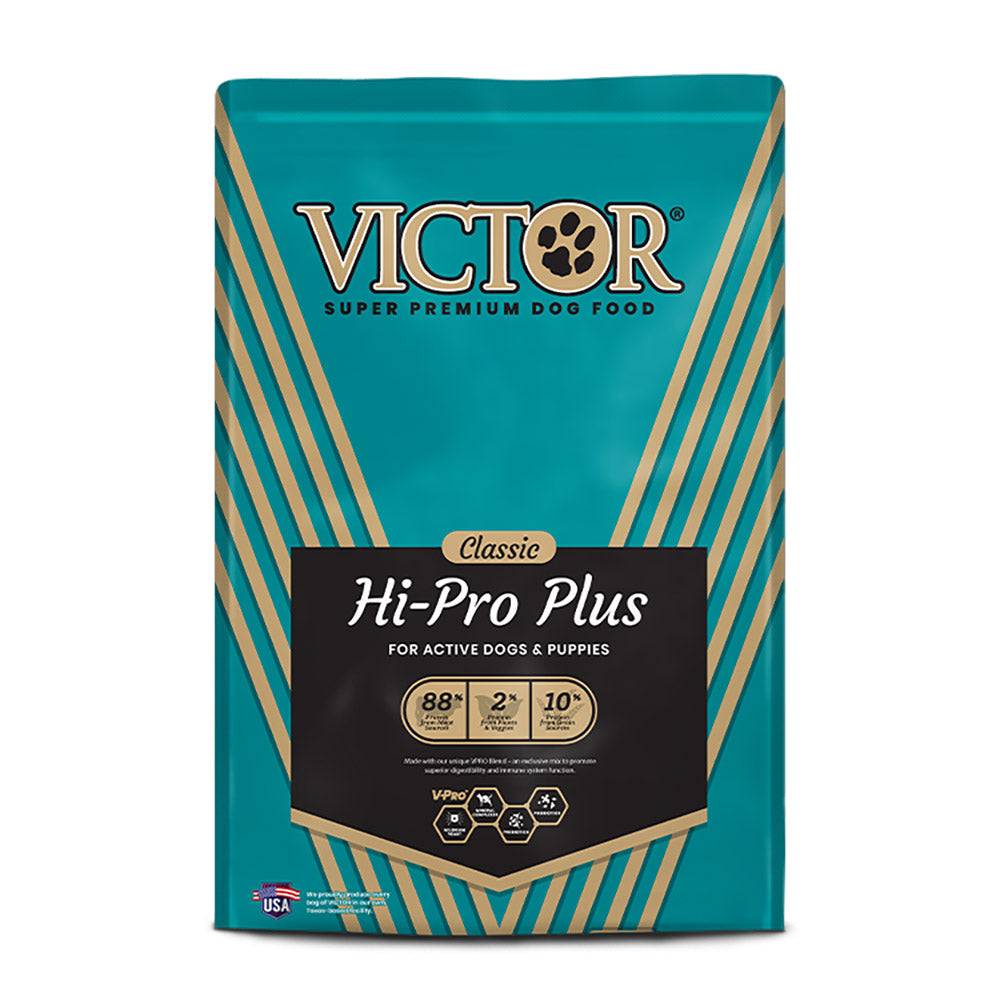
For many dogs, yes, Victor Dog Food is worth it. The brand offers strong protein levels, useful fat content, and formulas that can support energy, muscle maintenance, and coat health. It also tends to deliver better nutrition than many budget grocery-store brands.
That said, worth depends on the individual dog. If your dog has a very sensitive stomach, needs a specialized veterinary diet, or does poorly on certain grains or proteins, Victor may not be the best match. I always tell dog owners to think of food like shoes: the best-looking pair is useless if it doesn’t fit.
Here is the simple breakdown:
- Good fit for active dogs, hunting dogs, and working dogs
- Good fit for owners wanting solid nutrition at a fair price
- Good fit for dogs that do fine on grain-inclusive food
- Less ideal for dogs with strict medical diets or severe food sensitivities
Victor Dog Food Ingredients and Nutrition Quality
One reason Victor Dog Food gets attention is its focus on meat meals, grains, vitamins, and minerals. Many formulas use ingredients like beef meal, chicken meal, pork meal, millet, brown rice, and fish meal. Meat meals are not a bad thing; in fact, they are concentrated protein sources with less water than fresh meat.
Victor also uses chelated minerals in some recipes, which can help with nutrient absorption. That matters because a dog food is only useful if the dog can actually use the nutrients inside it. The brand’s nutrient profiles are usually aimed at meeting AAFCO standards for complete and balanced nutrition.
A few things stand out:
- Protein levels are often higher than average
- Fat levels are usually moderate to high, which helps active dogs
- Many recipes include grains, which provide digestible energy
- Some formulas are richer than others, so not all dogs need the same one
In practical terms, that means Victor can work well for dogs that burn a lot of calories. If your dog is more of a couch companion, one of the richer recipes may feel like putting race fuel in a family sedan.
Pros of Victor Dog Food
Victor Dog Food has several real strengths that help explain its loyal customer base.
- Strong protein content: Many recipes are built to support muscle and energy.
- Good value: It often costs less than some premium brands with similar nutrition.
- Variety of formulas: There are options for puppies, adults, and performance dogs.
- Made in the U.S.: That gives many owners extra confidence in sourcing and production.
- Grain-inclusive options: These can be helpful for dogs that do well on rice, millet, or sorghum.
In my experience, the biggest win is consistency. When a dog does well on Victor, the food usually supports stable energy and a shiny coat without requiring a huge budget. That is a big deal for people feeding multiple dogs or large breeds.
Cons of Victor Dog Food
No dog food is perfect, and Victor has some limits.
- Not ideal for every sensitive dog: Some dogs may still react to certain proteins or grains.
- Rich formulas can be too heavy for some pets: Loose stool or digestive upset can happen if you switch too fast.
- Limited specialized diets: It is not a full replacement for veterinary prescription food.
- Quality can vary by formula: Some recipes are better suited to working dogs than casual pets.
I have seen owners blame the brand when the real issue was the formula choice. A high-energy recipe can be great for a herding dog, but too much for a less active dog. That is why reading the label matters just as much as reading reviews.
Who Victor Dog Food Is Best For
Victor Dog Food is usually best for:
- Active adult dogs
- Sporting and working dogs
- Dogs that need higher calories
- Owners who want decent nutrition without paying ultra-premium prices
- Dogs that handle grain-inclusive recipes well
It may be less ideal for:
- Dogs with known ingredient allergies
- Dogs that need low-fat diets
- Dogs with chronic digestive issues
- Pets that need vet-guided therapeutic food
If you are trying to decide whether Victor Dog Food is worth it, ask yourself one question first: what does your dog actually need every day? A calm senior dog and a bird dog in training are not eating for the same reason.
Ingredient Safety, Recalls, and Trust Factors
Trust matters a lot when choosing dog food. Victor has faced scrutiny in the past because some pet food brands have had recalls over the years, and safety concerns always deserve attention. Responsible owners should check recall history, manufacturing practices, and how transparent the company is about ingredients and testing.
A trustworthy brand should do more than just print a nice bag. It should provide clear labeling, nutrient adequacy statements, and responsive customer support. Victor generally scores well with owners who like straightforward performance nutrition, but I still recommend checking the latest recall information before buying any bag.
A good habit is to look for:
- Clear AAFCO nutritional statements
- Specific protein and fat percentages
- A recipe that matches your dog’s life stage
- A feeding trial or formulation backed by nutrition standards
How Victor Compares to Other Dog Food Brands
Victor Dog Food often compares favorably to other mid-range dry dog food brands. It usually offers more protein and better performance positioning than many supermarket foods. At the same time, it may not have the same boutique appeal as some ultra-premium brands.
Here is the simple comparison idea:
- Compared with cheap grocery brands, Victor is usually a step up in quality
- Compared with premium boutique brands, Victor often gives better value
- Compared with prescription diets, Victor is not a substitute
- Compared with raw or fresh food, Victor is more affordable and easier to store
If your priority is everyday nutrition for an active dog, Victor can land in a very sweet spot. It is like the practical pickup truck of dog food: not flashy, but built to do the job well.
Feeding Tips If You Choose Victor Dog Food
Switching foods the right way matters almost as much as the food itself. A sudden change can upset your dog’s stomach, even if the new food is excellent. I always suggest a slow transition over 7 to 10 days.
Try this approach:
- Days 1 to 3: Mix 25% Victor with 75% old food
- Days 4 to 6: Mix 50% Victor with 50% old food
- Days 7 to 8: Mix 75% Victor with 25% old food
- Day 9 onward: Feed 100% Victor if your dog is doing well
Also watch for these signs after the switch:
- Firm, normal stools
- Steady energy
- Healthy appetite
- No itching or excess gas
- Good coat condition
If you see diarrhea, vomiting, or itching, slow down the switch or talk to your vet. A food can be a great match on paper and still not suit your dog’s body.
Is Victor Dog Food Worth It for Puppies and Seniors?
Victor can be worth it for some puppies and seniors, but the exact formula matters a lot. Puppies need balanced growth nutrition, not just more protein. Seniors often need easier digestion and careful calorie control.
For puppies, choose a recipe labeled for growth or all life stages. For seniors, look for moderate calories and support for mobility if needed. I would not pick a rich performance formula for an older dog that gains weight easily.
Real-World Buying Advice
If I were helping a friend choose Victor, I would keep it simple. First, match the formula to the dog, not the marketing on the front of the bag. Then check the protein, fat, and fiber levels, because those three numbers often tell you more than the front label ever will.
Here are a few practical tips:
- Pick a formula based on activity level
- Start with a smaller bag first if your dog has a sensitive stomach
- Watch your dog for 2 to 3 weeks before deciding
- Compare cost per pound, not just bag price
- Ask your vet if your dog has allergies or medical issues
That last point matters. No review can replace a vet when your dog has a real health need.
Frequently Asked Questions
Is Victor Dog Food a good quality brand?
Yes, Victor Dog Food is generally considered a good quality brand for active dogs and owners who want strong nutrition at a fair price. Its formulas often feature solid protein levels and balanced nutrition, though the best recipe depends on your dog’s needs.
Does Victor Dog Food work for sensitive stomachs?
Some dogs with sensitive stomachs do fine on Victor, but others may not. If your dog has digestive issues, start with a slow transition and choose a formula that is not too rich.
Is Victor Dog Food good for large breed dogs?
Yes, many Victor formulas can work well for large breed dogs, especially those with higher energy needs. Still, you should check calorie density and feeding amounts to avoid unwanted weight gain.
Is Victor Dog Food better than Purina or Hill’s?
It depends on the specific formula and your dog’s needs. Victor often compares well on protein and value, but Purina and Hill’s may offer more specialized options, especially for dogs with medical or dietary concerns.
Where is Victor Dog Food made?
Victor Dog Food is made in the United States. Many dog owners like that because it adds a sense of quality control and supply transparency.
Is Victor Dog Food worth the price?
For many dogs, yes. If your dog thrives on a Victor recipe, the brand can offer a strong balance of quality, performance, and cost.
Conclusion
Victor Dog Food is worth it for many dogs, especially active ones that need dependable protein, solid calories, and good value. It is not perfect for every pet, but the brand has enough quality and variety to deserve serious consideration. The real key is choosing the right formula for your dog’s age, size, and activity level.
If you are shopping for dog food right now, focus on your dog’s actual needs instead of chasing the biggest claims on the bag. Read the label, switch slowly, and watch how your dog responds over time. If this guide helped, keep exploring more pet nutrition tips and leave a comment with your dog’s breed or age if you want help narrowing down the best Victor formula.