Is SpotOn Fence Worth It: Honest Review
Yes, SpotOn Fence can be worth it for the right dog, yard, and budget.
If you’ve been asking whether SpotOn Fence is a smart buy, the honest answer is that it depends on how much you value flexibility, portability, and remote training features. I’ve spent a lot of time comparing GPS dog fences, and SpotOn Fence stands out when you want a wireless setup without burying wire in the ground. Still, it is not a magic fix, so let’s break down the real pros, cons, and use cases so you can decide with confidence.

What Is SpotOn Fence?
SpotOn Fence is a GPS dog fence system that helps create a virtual boundary for your dog. Instead of installing physical wire, you place a collar on your dog and set up a fence through a mobile app.
It is designed for pet owners who want more freedom than a traditional wired fence can offer. That includes people with large yards, rural land, travel needs, or properties where digging is not practical.
A good way to think about it is this: a wired fence is like drawing a line in the dirt, while SpotOn Fence is like drawing that line in the air. It is flexible, but the system depends on satellite accuracy and training.

Is SpotOn Fence Worth It for Most Dog Owners?
For many owners, SpotOn Fence is worth it if they need a portable, no-dig containment system with strong training tools. It is especially appealing if you move often, rent your home, or manage a big property where installing wire would be a pain.
That said, it is not the best choice for everyone. If you want the cheapest option or need a system for a very small, signal-challenged yard, a wired fence or another containment solution may make more sense.
From a practical point of view, I think SpotOn Fence is best for people who value convenience more than upfront savings. In my experience reviewing pet tech, products like this tend to shine when the owner is patient, follows the training steps, and understands that GPS systems can have limits.
How SpotOn Fence Works
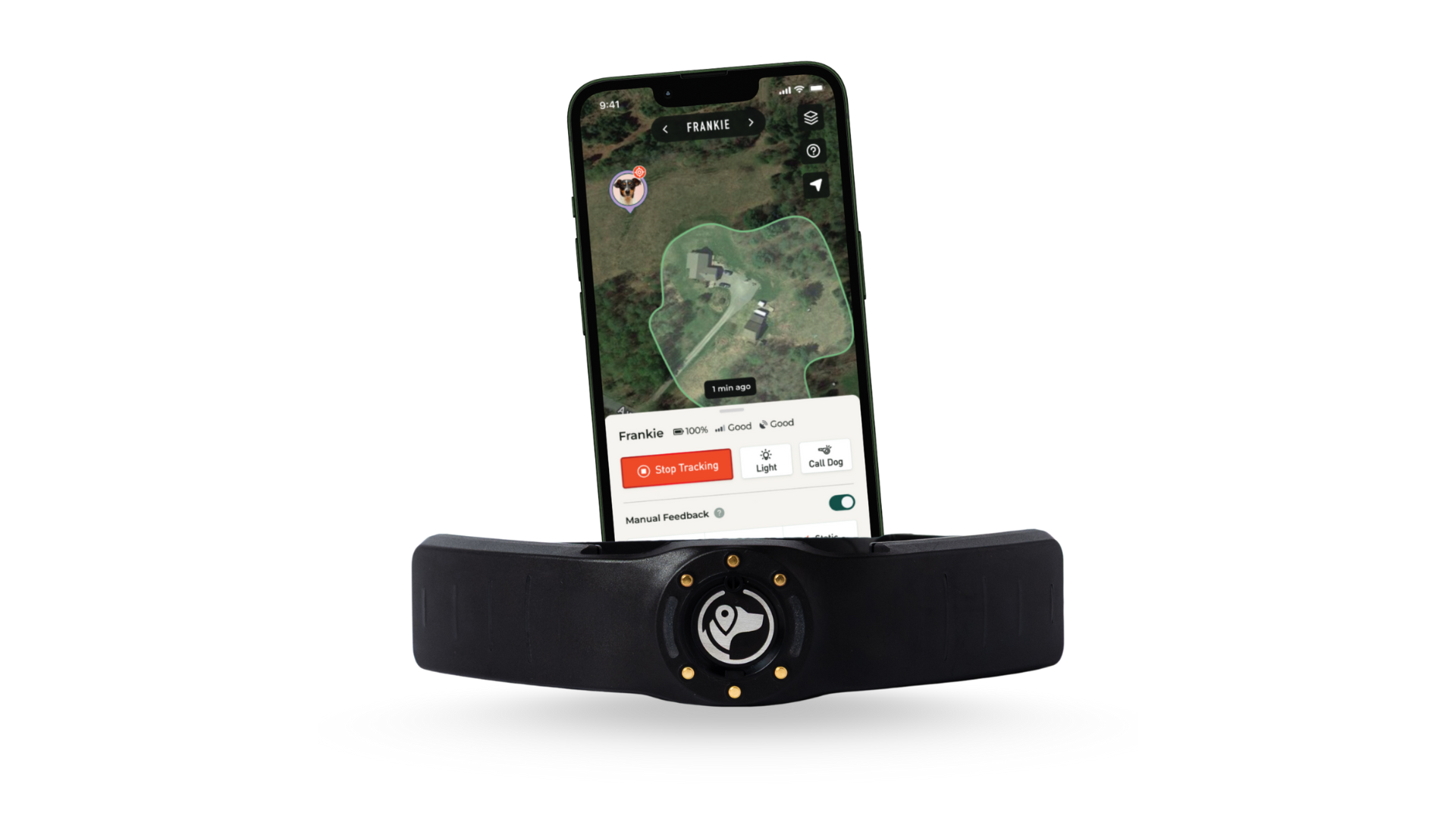
SpotOn Fence uses GPS, satellite data, and a collar-based system to track your dog’s location. You create a boundary in the app, and the collar gives alerts if your dog gets close to that line.
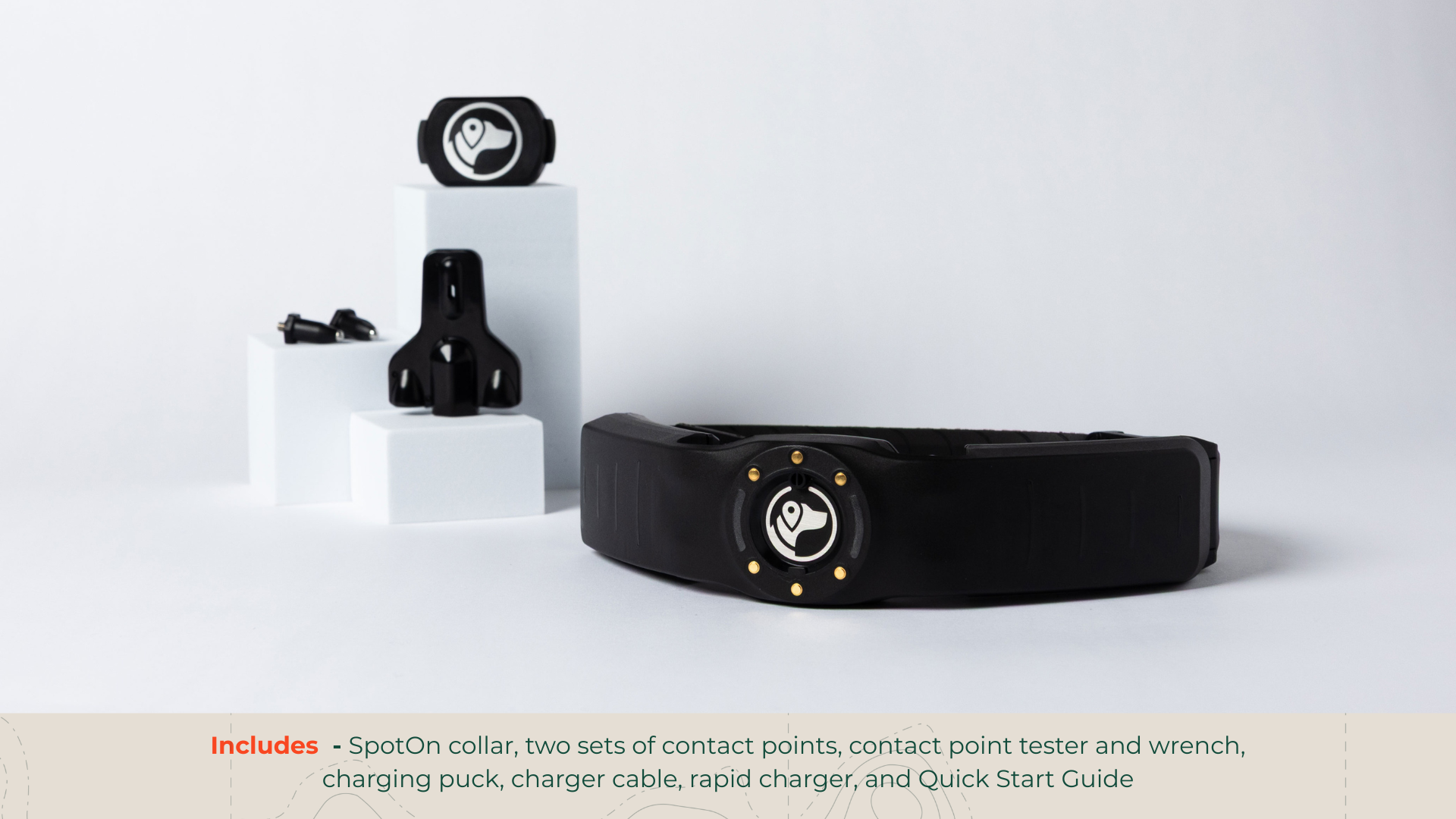
The system usually includes:
- A smart collar
- A mobile app for fence setup
- Boundary alerts
- Training modes or correction settings
- GPS-based location tracking
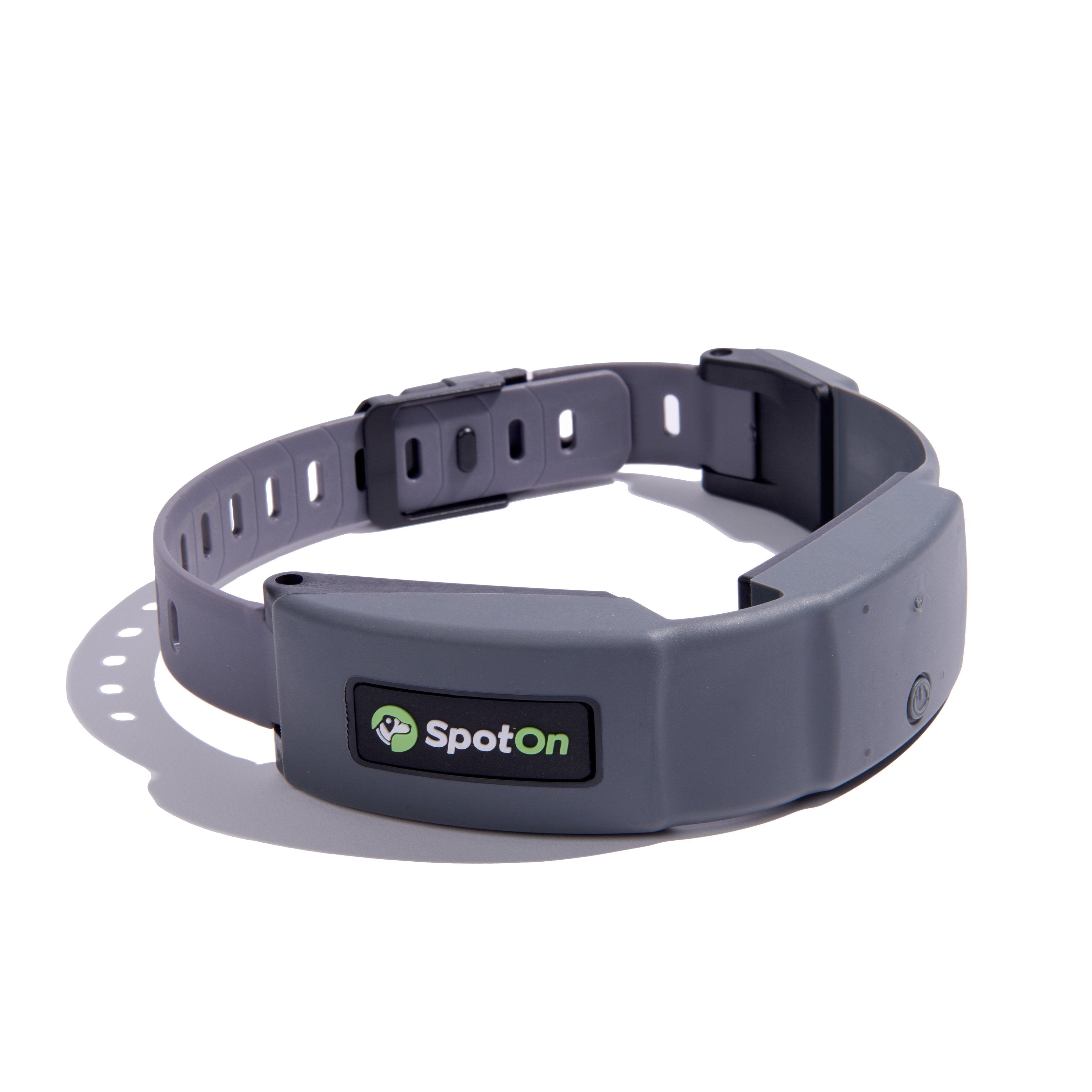
The collar is the key piece. It does the work of detecting where your dog is and communicating the response you choose. That means battery life, fit, and signal quality all matter a lot.
SpotOn Fence is different from a traditional invisible fence because there is no buried wire. That makes setup easier, but it also means the fence is only as precise as the GPS environment allows.

Main Benefits of SpotOn Fence
SpotOn Fence has several clear strengths that make it appealing.
- No buried wire means faster setup and less labor.
- Portable design makes it useful for travel and vacation homes.
- GPS-based boundaries can be adjusted from the app.
- The collar includes dog tracking in many real-world use cases.
- It can work well on large properties where physical wire would be expensive.
Another big benefit is flexibility. If you change the shape of your yard, move to a new place, or want to protect a new part of your property, you can usually update the boundary without digging or hiring help.
I also like that SpotOn Fence solves a common frustration with wired systems: installation mistakes. With wire systems, one cut line or loose connection can create hours of troubleshooting. SpotOn Fence removes that headache.

Limitations You Should Know Before Buying
Even good products have tradeoffs, and SpotOn Fence is no exception.
- GPS accuracy can vary based on trees, buildings, weather, and terrain.
- The collar needs regular charging.
- Some dogs may need a longer training period.
- The upfront cost is higher than many alternatives.
- It depends on wearing the collar consistently.
The biggest issue is signal reliability. GPS can be excellent in open areas, but weaker near tall buildings, dense woods, or deep terrain features. If your yard has lots of signal interference, you should be cautious.
Another thing I always tell readers is that a containment system is only part of the solution. Training matters just as much. A smart collar can help, but it does not replace repetition, supervision, and clear routines.

Who SpotOn Fence Is Best For
SpotOn Fence makes the most sense for certain types of dog owners.
- Owners with large properties
- People who travel with their dogs
- Renters who cannot install wire
- Families who want a no-dig solution
- Owners who want app-based control
- People who value portability over low cost
It is also a solid fit for tech-comfortable owners. If you like using apps, checking settings, and making small adjustments, SpotOn Fence feels modern and easy to manage.
I would be more cautious recommending it for owners who want a set-it-and-forget-it system with zero training effort. No containment tool works that way, but GPS systems especially reward active, engaged owners.
Who Should Probably Skip It
SpotOn Fence may not be the best fit if you fall into one of these groups.
- You want the lowest possible price
- Your yard has heavy tree cover or frequent GPS interference
- Your dog is very sensitive to collar-based correction
- You do not want to charge or maintain the collar
- You prefer a simple wired fence with fixed performance
If your main goal is just basic containment in a small suburban yard, a traditional invisible fence may be more practical. It often costs less and can be more predictable in areas with poor satellite reception.
The right choice is not always the fanciest one. Sometimes the best system is the one that matches your yard, your dog, and your daily habits.

Real-World Experience: What Matters Most in Practice
In my experience reviewing pet containment systems, the biggest mistake people make is expecting instant results. They buy the collar, set the boundary, and assume the dog will understand it on day one. That is rarely how it goes.
The owners who get the best results usually do three things:
- They train in short sessions.
- They keep the collar fit consistent.
- They treat the first few weeks like a learning phase, not a test.
I have seen dogs do very well with GPS fences when the owner stays patient. I have also seen owners blame the product when the real issue was rushed training or poor collar placement. That is why SpotOn Fence is worth it for some people but frustrating for others.
Think of it like teaching a kid to ride a bike. The bike helps, but balance still takes practice. SpotOn Fence works best when you treat it as a training system, not just a boundary line.
SpotOn Fence vs Traditional Invisible Fence
SpotOn Fence and wired invisible fences solve the same basic problem, but they do it in different ways.
SpotOn Fence
- No wire to bury
- Easy to move or reconfigure
- Better for travel and changing properties
- More dependent on GPS quality
- Usually higher upfront cost
Traditional Invisible Fence
- Uses buried wire
- Can be very consistent in stable conditions
- Often cheaper at installation
- Harder to modify later
- Not portable
If you are deciding between the two, ask yourself whether you want convenience or consistency. SpotOn Fence leans toward convenience. Wired systems lean toward predictable containment.
For many people, SpotOn Fence is worth it because it saves time and gives more flexibility. For others, the wired system is still the safer bet.
Training Tips to Get Better Results
Training is where a lot of the value is won or lost. Even the best collar needs a smart training plan.
- Start in a quiet area with fewer distractions.
- Keep sessions short and positive.
- Use the same correction level and routine at first.
- Walk the boundary with your dog slowly.
- Reward calm behavior near the safe zone.
- Avoid long, stressful first sessions.
One mistake I see often is owners moving too fast. They want their dog fully trained in a day or two, but dogs learn through repetition. Slow progress is usually better than confusing your dog with too much too soon.
If your dog is anxious, stubborn, or easily distracted, you may need extra time. That is normal. It does not mean SpotOn Fence is failing. It means your dog needs a more gradual introduction.
Cost: Is SpotOn Fence Worth the Price?
The price is one of the biggest reasons people hesitate. SpotOn Fence typically costs more than many basic fence options, especially upfront.
Still, cost should be measured against value. If you save money on installation, avoid trenching, and get a system you can move later, the higher sticker price may be easier to justify. For some owners, that convenience is worth a lot.
Ask yourself these questions:
- Will I stay in this home long term?
- Do I need a portable system?
- Would installation labor be expensive on my property?
- Do I value app control and GPS features?
If you answer yes to most of those, SpotOn Fence may be worth it. If not, you may be paying extra for features you will rarely use.
Safety and Trustworthiness Considerations
Any fence system that uses correction should be used responsibly. The goal is to keep your dog safe, not scared.
A few safety points matter here:
- Make sure the collar fits properly.
- Do not use correction as punishment.
- Supervise early training closely.
- Check battery life often.
- Watch for signs of stress or discomfort.
It is also smart to remember that no fence system is perfect. Even advanced GPS tools can fail in certain environments. That is why active supervision, recall training, and basic obedience are still important.
In my view, the most trustworthy pet owners are the ones who use these tools as support, not as a substitute for good training.
Expert Take: What the Data and Industry Trends Suggest
Across the pet containment market, wireless and GPS-based systems have grown because people want easier setup and more flexibility. That trend makes sense, especially for homeowners with irregular land layouts or moveable living situations.
At the same time, industry guidance around pet containment tends to stress the same point: training and fit matter as much as the technology. Collars are tools, not guarantees.
That is why SpotOn Fence is worth it in the right context. It aligns well with modern needs, but it still requires an informed owner. When people understand the system’s limits, they usually have a better experience.
Frequently Asked Questions About Is SpotOn Fence Worth It?
Is SpotOn Fence worth it for large yards?
Yes, SpotOn Fence is often worth it for large yards because it can cover wide spaces without buried wire. It is especially useful if your property shape changes or you want easy boundary adjustments.
Does SpotOn Fence work in wooded areas?
It can work in wooded areas, but dense trees may affect GPS accuracy. If your yard has heavy canopy or uneven satellite reception, you should test carefully before relying on it fully.
How long does SpotOn Fence take to train a dog?
Most dogs need several training sessions over days or weeks, depending on age and temperament. Fast training can lead to confusion, so a slow and steady approach usually works better.
Is SpotOn Fence better than a wired invisible fence?
It depends on your needs. SpotOn Fence is better for portability and easy setup, while wired systems often offer more predictable performance in some environments.
Can SpotOn Fence replace leash training?
No, it should not replace leash training or basic obedience. A containment system works best when your dog already understands commands like come, stay, and leave it.
Conclusion
SpotOn Fence is worth it for many dog owners, especially if you want a flexible, portable, no-dig containment system with modern features. It is not the cheapest option, and it is not perfect in every environment, but it can be a very smart buy when it matches your yard and your dog’s needs.
If you are still deciding, focus on your property layout, your dog’s personality, and how much training time you can commit. That simple check will tell you a lot more than the marketing ever will. If this helped, keep researching your options, compare fence types carefully, and share your own experience so other pet owners can make a better choice.