Is Blue Buffalo Worth It: Honest Dog Food Review
Blue Buffalo is worth it for many pets, but not every pet needs the price tag.
If you have ever stood in the pet food aisle and wondered whether Blue Buffalo is really better than the rest, you are not alone. I have looked at a lot of pet food labels over the years, and Blue Buffalo often sits in that middle ground: better marketing and ingredient lists than many budget brands, but not always the best value for every dog or cat. The real answer depends on your pet’s needs, your budget, and whether your pet actually does well on the recipe.

What Blue Buffalo Is and Why People Buy It
Blue Buffalo is a pet food brand known for its ingredient-focused marketing and wide range of formulas. It sells dry food, wet food, treats, and specialized diets for dogs and cats. Many shoppers are drawn to it because the bags often highlight real meat, fruits, vegetables, and no added corn, wheat, or soy in many recipes.
That sounds reassuring, and in some cases it is. But as I have learned from comparing pet foods for years, a pretty label is not the same thing as the best nutrition for your specific pet. What matters most is the full formula, the life stage, the calorie count, the digestibility, and how your pet responds over time.
Blue Buffalo is worth looking at if you want a mid to premium brand with broad availability and lots of choices. Still, the brand only becomes “worth it” when the recipe matches your pet’s health, age, and budget.
Is Blue Buffalo Worth It for Most Pets?
For many pet owners, yes, Blue Buffalo is worth it if you want a decent step up from very low-cost grocery store food. The formulas often include named animal proteins and tend to avoid some fillers that worry pet parents. That can make it appealing for dogs and cats that do well on a more meat-forward diet.
But “worth it” is not the same as “best.” Some pets thrive on Blue Buffalo. Others do just as well on cheaper foods with similar nutrient profiles. I have seen pets with sensitive stomachs improve on one brand and get worse on another, even when both looked good on paper. Pets do not read the marketing.
If your pet has no allergies, no digestive issues, and does fine on a trusted budget food, Blue Buffalo may not be necessary. If you want more specific formulas, better ingredient transparency, and a broader selection, it may be a smart upgrade.
What Blue Buffalo Offers
Blue Buffalo has built its reputation around variety. That matters because pets are not one-size-fits-all, and neither is pet food.
Some of the most common Blue Buffalo lines include:
- Life Protection Formula for everyday adult pets
- Wilderness for higher protein needs
- Basics for limited ingredient diets
- Blue True Solutions for specific concerns like digestion, skin, or weight
- Baby Blue and Blue for Puppies and Kittens for growth stages
- Freedom for grain-free feeding preferences
This range can be useful if your pet has changing needs. For example, a young active dog may do well on a higher-protein formula, while an older pet may need fewer calories and easier digestion. That flexibility is one reason many owners feel Blue Buffalo is worth it.
Ingredient Quality: What Looks Good and What to Watch
Blue Buffalo often uses real meat as the first ingredient in many formulas. It also includes whole grains or grain-free options, plus fruits and vegetables for fiber and antioxidants. Those are all good signs at a glance.
Still, ingredient quality is only part of the story. The real question is how the formula is balanced and whether your pet can digest it well. A food can sound healthy and still not be the right fit.
Things I always look at on a Blue Buffalo label:
- The first five ingredients
- Protein and fat percentages
- Fiber level
- Calorie content per cup or can
- Whether the recipe fits the pet’s life stage
- Any ingredients that have caused past sensitivity
One mistake I see often is focusing too hard on a single ingredient, like blueberries or “real chicken,” and ignoring the rest of the formula. That is like judging a whole meal by the parsley on top. The full recipe matters more than the headline ingredients.
Nutritional Value and AAFCO Standards
A pet food is only useful if it meets the basic nutritional needs of the animal. Blue Buffalo formulas are generally designed to meet AAFCO nutritional standards for specific life stages. That means the food is meant to provide complete and balanced nutrition when fed as directed.
This is important because “natural” or “premium” does not automatically mean nutritionally complete. A food can use attractive ingredients and still miss the mark if the mineral balance, amino acids, or calorie levels are off. Blue Buffalo usually does a better job than bargain brands at communicating these details, which helps build trust.
If you are comparing foods, check whether the packaging says the formula is complete and balanced for:
- Growth
- Adult maintenance
- All life stages
- Intermittent or supplemental feeding only
That small line on the bag matters a lot more than most ads do.
Is Blue Buffalo Good for Dogs?
For many dogs, Blue Buffalo is a solid option. Dogs that do well on it often get a good mix of protein, fats, and fiber, with many recipes aimed at different sizes and energy levels. Active dogs may benefit from the higher-protein Wilderness line, while less active dogs may do better on a lower-calorie formula.
I have found that dogs with no major issues often tolerate Blue Buffalo just fine. But if a dog has a sensitive stomach, the specific recipe matters more than the brand itself. Some dogs handle one protein well and react poorly to another.
Blue Buffalo may be a good choice for dogs if:
- You want a mid-range to premium food
- Your dog needs more formula options
- You prefer named meat ingredients
- Your dog does well with the recipe you choose
It may not be the best fit if:
- Your dog has a history of food allergies and needs a very strict diet
- Your budget is tight and you need the most cost-efficient nutrition
- Your dog already does well on another food
Is Blue Buffalo Good for Cats?
Blue Buffalo also offers cat food, and the same basic idea applies. Some cats do well on it, especially if they need high animal protein and a palatable formula. Cats can be picky, and many owners appreciate the variety of wet and dry options.
That said, cats are obligate carnivores, so protein quality and moisture matter a lot. In my experience, wet food often helps more with hydration than dry food does. If you are feeding Blue Buffalo to a cat, the wet formulas can be especially helpful for cats that do not drink much water.
Blue Buffalo may be a good cat food choice if:
- Your cat likes the taste
- You want more wet food options
- You want formulas for kittens, adults, or sensitive stomachs
- Your cat maintains a healthy weight and coat on the food
If your cat has urinary issues, kidney concerns, or a sensitive digestive system, talk with a vet before choosing any formula. Cats can be fussy, but they also hide health problems well.
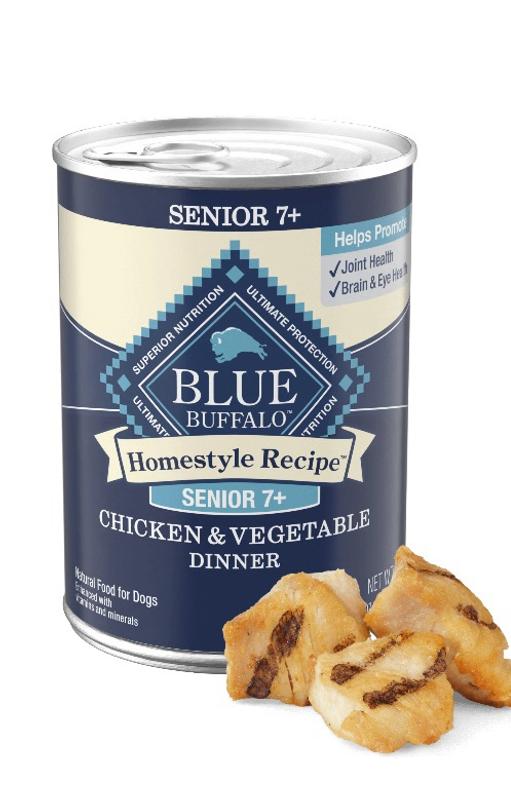
Blue Buffalo Pros
Blue Buffalo has real strengths, and that is why it stays popular.
Main benefits include:
- Many formulas use named meat as a primary ingredient
- Wide variety for puppies, adults, seniors, kittens, and sensitive pets
- Good availability in pet stores and online
- Options for grain-free, limited ingredient, and specialized needs
- Often more transparent than basic budget brands
From a practical standpoint, this makes shopping easier. If one recipe does not work, you can often move to another line within the same brand.
Blue Buffalo Cons
No brand is perfect, and Blue Buffalo has real drawbacks too.
Common concerns include:
- Higher price than many mainstream pet foods
- Marketing can feel stronger than the nutritional difference
- Some pets still have digestive upset on certain formulas
- Grain-free recipes may not be right for every pet
- The brand does not guarantee that every formula works better than lower-cost alternatives
I always tell people not to confuse “popular” with “ideal.” Sometimes Blue Buffalo is worth the money. Sometimes it is just a nicer-looking label on a food your pet may or may not love.
Blue Buffalo vs Cheaper Dog and Cat Foods
This is where the real value question shows up. Compared with cheaper brands, Blue Buffalo often offers better ingredient transparency and more specialized formulas. That can matter if your pet has needs that a basic food cannot meet.
But cheaper foods can still be complete and balanced. If a budget food meets the nutrition standard and your pet does well on it, then switching just for branding may not be worth the extra cost. I have seen plenty of pets with shiny coats and steady energy on affordable food.
A simple way to compare value:
- Compare protein, fat, fiber, and calories
- Check whether the food meets life-stage needs
- Watch stool quality, coat condition, and energy
- Consider cost per day, not just cost per bag
- Judge the food by your pet’s results, not by ad claims
If Blue Buffalo gives you better results, it may be worth paying more. If not, you are better off saving the money.
Blue Buffalo and Sensitive Stomachs
Many pet owners buy Blue Buffalo hoping it will help with sensitive stomachs. Sometimes it does. Sometimes it does not. Digestive health depends on the full formula, the protein source, the fat level, and the individual pet.
Limited ingredient formulas can help some pets because they reduce complexity. Still, a sensitive stomach is not always caused by food alone. Stress, eating too fast, parasites, and sudden diet changes can all play a role.
A few practical tips:
- Transition slowly over 7 to 10 days
- Feed smaller meals more often
- Avoid switching between too many flavors
- Track stool consistency and appetite
- Ask a vet if symptoms continue
That gradual approach can make a bigger difference than brand choice alone.
Is Blue Buffalo Worth the Price?
This is the heart of the question. Blue Buffalo is worth the price if your pet actually benefits from the formula and you value the brand’s variety and ingredient style. It may be worth it if your dog or cat needs a food that is more tailored than a basic store brand.
It may not be worth it if:
- Your pet is healthy on a cheaper food
- You are paying more but not seeing better results
- Your pet is picky and keeps wasting the food
- You need a very strict veterinary diet for a medical issue
When I judge pet food value, I look at three things:
- Does the pet like it?
- Does the pet do well on it?
- Does the price make sense for the results?
If all three line up, the food is probably worth it. If only one does, it probably is not.
How to Tell if Blue Buffalo Is Right for Your Pet
Choosing the right food is a little like choosing shoes. A nice pair on the shelf does not matter if it does not fit your feet. The same goes for pet food.
Use this simple checklist:
- Your pet is at the right life stage for the formula
- Your pet has normal stools and steady energy
- Your pet likes the taste and texture
- Your pet keeps a healthy weight
- Your budget can handle the long-term cost
- You have no signs of allergies or digestive trouble
If your pet checks most of those boxes, Blue Buffalo could be a strong choice. If not, keep looking. There is no trophy for sticking with a brand that does not work.
What I Would Do If I Were Choosing Today
If I were choosing food for a healthy pet today, I would start with the pet’s needs first, not the brand. I would look for a formula with the right calories, protein, and fiber, then compare cost per serving. Blue Buffalo would be on my shortlist, but not automatically at the top.
I would also avoid making a fast switch just because a label looks premium. Slow changes matter. I have seen too many pets get loose stools because an owner changed food in one day after reading a shiny ad.
My rule is simple:
- Match the food to the pet
- Watch the pet, not the packaging
- Give each food enough time to show results
- Call the vet if anything seems off
That approach saves money, stress, and a lot of guesswork.
Frequently Asked Questions
Is Blue Buffalo a good brand for dogs?
Yes, Blue Buffalo can be a good brand for many dogs, especially if you want a wide range of formulas and named meat ingredients. The best choice still depends on your dog’s age, health, and how well they digest the recipe.
Is Blue Buffalo better than Purina or Hill’s?
Not always. Purina and Hill’s often have very strong nutrition research and veterinary backing, while Blue Buffalo offers more consumer-friendly ingredient marketing and variety. The best brand is the one that fits your pet’s needs and performs well in real life.
Does Blue Buffalo cause stomach problems?
It can for some pets, but not all. Stomach upset may come from a specific recipe, a sudden food switch, or an ingredient sensitivity, so it is smart to transition slowly and watch your pet closely.
Is Blue Buffalo worth it for picky eaters?
Sometimes, yes. Many picky pets like the taste and texture, especially in certain wet or higher-protein formulas, but picky eating can be hit or miss with any brand.
Is Blue Buffalo a budget-friendly choice?
Usually no. It is more of a mid-range to premium option, so the cost is higher than many basic brands, but the value can be good if your pet does well on it.
Conclusion
Blue Buffalo is worth it for some pets, especially if you want more formula choices, named meat ingredients, and a brand that feels a step above basic grocery store food. It is not automatically the best choice for every dog or cat, though, and it is not always better than a cheaper food that already works well.
The smartest move is to focus on your pet’s actual results: energy, digestion, coat health, weight, and appetite. If Blue Buffalo checks those boxes and fits your budget, it can be a solid buy. If not, keep shopping with confidence and choose the food that truly supports your pet’s health.
If you are comparing brands now, take a close look at the label, compare the daily cost, and watch how your pet responds. Leave a comment with your pet’s age, breed, and feeding routine, and I can help you think through the best next step.