7 Best Small Dog Harness
The best best small dog harness is the rabbitgoo Dog Harness No Pull Small, the only one here that combines a dual-clip no-pull design with padded comfort and a sturdy handle for small breeds that like to lunge. It's the right pick for owners who want control during walks without choking their dog.
Want a more budget-friendly option instead? The PHOEPET No Pull Harness gets you there, as long as you don't need the extra top clip.
As an Amazon Associate, I earn from qualifying purchases.
This guide covers what you actually need to know before buying: how to size correctly, why the front clip matters, and which dogs should skip harnesses entirely. We'll also tell you six other solid alternatives.
Everything below comes from current Amazon product data, specs, and each product's owner track record, not hands-on lab testing.
Quick Answer: The Best Small Dog Harness
The rabbitgoo Dog Harness No Pull Small is the best overall pick for most small dogs because it offers two leash attachment points, padded straps, and a top handle for extra control.
- rabbitgoo Dog Harness No Pull Small (Best for Training Walks): Most versatile dual-clip design with padded comfort.
- PHOEPET No Pull Dog Harnesses Small (Best Budget Pick): Simple front-clip harness with three buckles for easy on/off.
- IVY&LANE No Pull Dog Harness Small (Best Bundle Value): Comes with leash, safety belt, and storage strap included.
- Voyager Step-in Air Dog Vest Harness (Most Breathable): Ultra-lightweight air mesh that dries fast and works for cats too.
- rabbitgoo Dog Harness Small Sized Leash (Best for Puppies): Step-in style with hook-and-loop closure for nervous pups.
- SlowTon No Pull Small Dog Harness (Best for Tiny Breeds): Includes XXS size for dogs under 5 pounds.
- Voyager Step-in Flex Adjustable Dog Harness (Best Adjustable Fit): Fully adjustable straps for odd-shaped small dogs.
Thinking about a harness for a dog that pulls hard? Jump to Who Should NOT Buy below before you spend anything.
Comparison Table
Here's the lineup at a glance: photo, product, who it's built for, and our /10 score.
| Photo | Product | Best for | Score | Buy |
|---|---|---|---|---|
 | rabbitgoo Dog Harness No Pull Small | Training Walks | 9.2/10 | Check price → |
 | PHOEPET No Pull Dog Harnesses Small | Budget Pick | 8.8/10 | Check price → |
 | IVY&LANE No Pull Dog Harness Small | Bundle Value | 8.5/10 | Check price → |
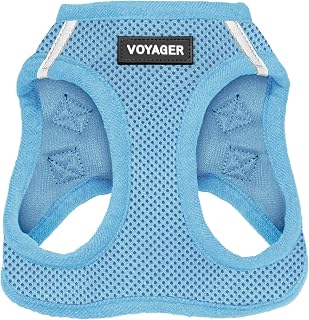 | Voyager Step-in Air Dog Vest Harness | Breathable Comfort | 8.3/10 | Check price → |
 | rabbitgoo Dog Harness Small Sized Leash | Puppy Training | 8.1/10 | Check price → |
 | SlowTon No Pull Small Dog Harness | Tiny Breeds | 7.9/10 | Check price → |
 | Voyager Step-in Flex Adjustable Dog Harness | Odd Shapes | 7.6/10 | Check price → |
Scroll sideways on small screens to see every column.
rabbitgoo Dog Harness No Pull Small: Best Overall for Training Walks
rabbitgoo Dog Harness No Pull Small: Best Overall for Training Walks
PHOEPET No Pull Dog Harnesses Small: Best Budget Pick
PHOEPET No Pull Dog Harnesses Small: Best Budget Pick
IVY&LANE No Pull Dog Harness Small: Best Bundle Value
IVY&LANE No Pull Dog Harness Small: Best Bundle Value
Voyager Step-in Air Dog Vest Harness: Most Breathable
Voyager Step-in Air Dog Vest Harness: Most Breathable
Buying Guide: Fit, Clip Type, Comfort, and Materials
How to Measure Your Dog for a Harness
Getting the right fit starts with two measurements: the neck and the widest part of the chest, just behind the front legs. Use a soft measuring tape and keep it snug but not tight. The chest measurement is the one that matters most for harness sizing, since that's where the harness anchors the body.
Most small harnesses on this list cover a chest range of about 11 to 18 inches. A Chihuahua at 11 inches needs a very different fit than a Corgi puppy at 17 inches, so always check the product's size chart against your dog's numbers. If your dog is between sizes, size up and tighten the straps rather than forcing a smaller size.
Front Clip vs Back Clip vs Dual Clip
The clip position changes how the harness behaves during walks. A front clip attaches the leash at the chest, which redirects a pulling dog's momentum sideways and slows them down naturally. This is the go-to for training and for dogs that lunge at squirrels or other dogs.
A back clip attaches at the shoulders. It gives the dog more freedom to move and is better for well-behaved walkers or for attaching a seatbelt tether in the car. Some dogs pull harder with a back clip because there's no steering correction.
Dual-clip harnesses like the rabbitgoo and the IVY&LANE give you both options in one product. Start with the front clip during training, then switch to the back clip once your dog walks politely. It's the most flexible setup.
Padding and Pressure Distribution
Small dogs have delicate tracheas, and a harness should never put pressure on the neck. Look for padding over the chest and belly, like the rabbitgoo or the IVY&LANE offer. Wide straps spread the force across a larger area, so a pulling dog doesn't get sore spots.
For dogs with sensitive skin or thin coats, the Voyager Step-in Air uses soft air mesh that won't rub. Heavier padding is better for dogs that pull hard during training sessions.
Material and Weather Considerations
Breathability matters for summer walks. Air mesh materials are lightweight and breathable, ideal for hot climates. Heavier padded nylon is more durable but traps heat, so consider whether your dog runs hot.
Machine washability is another practical factor. Harnesses get muddy and smelly, and being able to toss them in the washer saves time. Check the care label; most of these can be hand-washed or machine-washed on a gentle cycle.
For more grooming and maintenance tips, check out our guide on keeping your dog clean.
Who Should NOT Buy Best Small Dog Harness
This category is the wrong purchase for two kinds of buyers. Here's who they are, and what to look at instead.
You Need Deterrent for Extreme Pulling
A harness is a training tool, not a miracle cure. If your small dog pulls like a sled dog and ignores the front clip correction, you may need a head halter or a training collar instead. Harnesses can build chest muscles, which ironically makes a committed puller stronger.
Consider a no-pull head collar that guides the dog's head, giving you more control with less effort. Some owners also combine the harness with a short training leash and treat-based conditioning sessions. If you're struggling, working with a certified trainer is the safest route.
You Need Maximum Escape Protection
Most of these harnesses have two or three buckles that a determined escape artist can sometimes work loose. If your dog has a history of backing out of harnesses, look for an escape-proof vest style that has a belly strap that goes under the deepest part of the chest and attaches in the front.
Look for harnesses with a third belly strap or a design that makes it physically impossible to shake off. The first week of use is when escapes happen most, so test the fit indoors before heading outside. You should be able to slip two fingers under the straps, but no more.
Final Verdict
The rabbitgoo Dog Harness No Pull Small is the best small dog harness for most owners because it combines training flexibility with comfort. The dual clips let you correct and release, and the padding protects your dog's chest.
Want a budget option that still works? Get the PHOEPET and save a few dollars, as long as you don't need a back clip. Need a full kit with a leash and car safety belt?
The IVY&LANE has you covered.
For a tiny dog under 6 pounds, the SlowTon is your best bet with its XXS size. And for hot summer days, the Voyager Step-in Air is the breathable choice.
Before you buy, remember to check the Who Should NOT Buy section above. If you have a committed puller or a veteran escape artist, a standard harness might be the wrong first step.
FAQ
What's the best Small Dog Harness overall?
The rabbitgoo Dog Harness No Pull Small is our top pick because it offers dual clips, padded comfort, and a handy top handle. It suits most small breeds and training needs. For a simpler budget version, the PHOEPET is a close second.
Can small dog harnesses cause injuries?
Only if they put pressure on the neck. Normal chest-and-belly harnesses spread force across the body and are safer than collars for dogs with delicate tracheas. The American Kennel Club recommends harnesses for small breeds prone to tracheal collapse.
Avoid any harness that sits directly on the throat.
How do I stop my dog from escaping a harness?
Make sure it fits snugly. You should be able to fit two fingers under any strap, but no more. Watch the belly strap, as this is where most escapes start.
During the first week, do a few short practice sessions indoors with a leash attached. Some owners also add a small safety clip that connects the harness to a collar as a backup.
Are step-in harnesses good for small dogs?
Yes, especially for dogs that dislike having things pulled over their head. Step-in designs like the SlowTon let the dog walk into the harness. They're also easier to put on a wiggly or anxious dog.
What size harness does a Chihuahua need?
Measure the chest circumference first. Most Chihuahuas fall between 10 and 14 inches, which is the small or extra-small size range. Because these harnesses cover different ranges (the rabbitgoo small fits 11-17 inches), always check the product size chart with your measurements.