Is Ollie Dog Food Worth It: Honest Review
Ollie Dog Food can be worth it for owners who want fresher, higher-quality meals.
If you have been wondering whether Ollie Dog Food is worth it, you are probably comparing convenience, nutrition, price, and peace of mind. That is exactly the right way to judge a premium dog food brand. In this guide, I will break down what Ollie offers, where it shines, where it falls short, and how it stacks up for real dogs and real budgets.
What Is Ollie Dog Food?
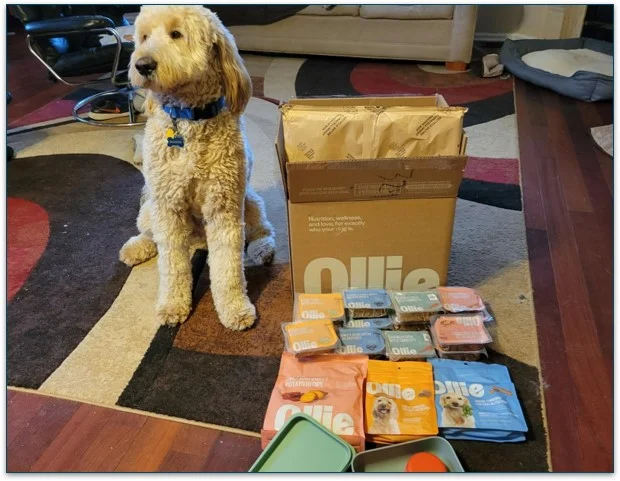
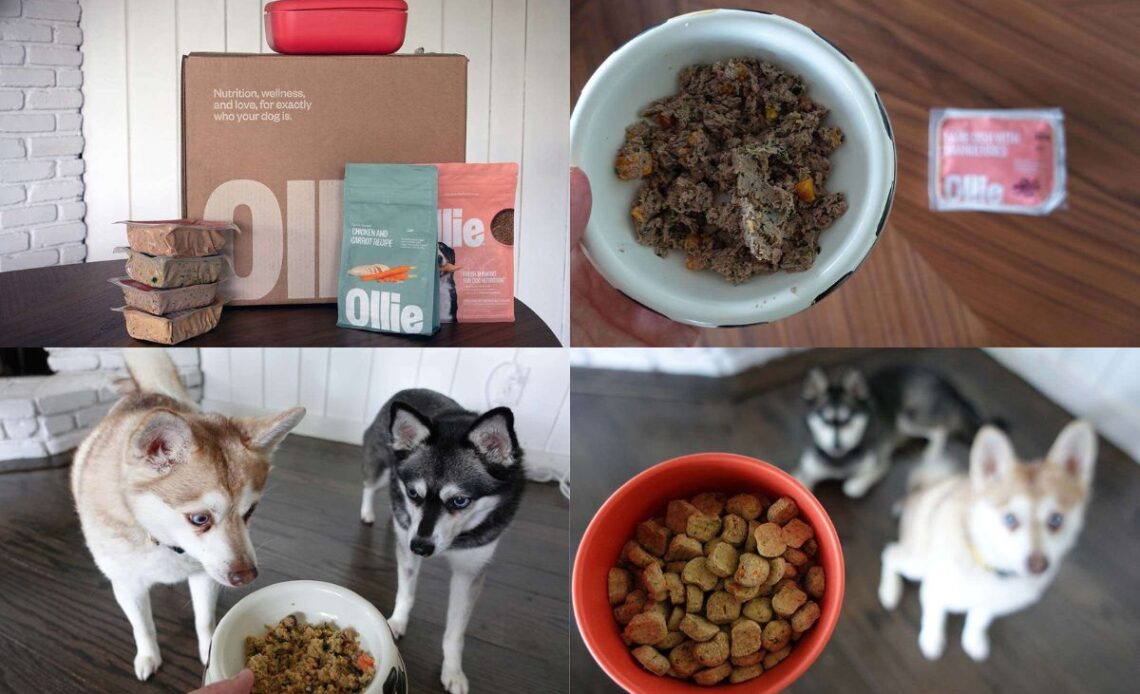
Ollie is a fresh dog food subscription brand that delivers pre-portioned meals to your door. The food is made with human-grade ingredients and comes in gently cooked recipes rather than the ultra-processed dry kibble many dogs eat every day.
The brand is built around customization. You share details about your dog, like age, weight, breed, activity level, and allergies, and Ollie creates a feeding plan based on that profile. For many pet parents, that tailored approach is part of the appeal of Ollie Dog Food.
In simple terms, Ollie is trying to make home-style feeding easier. Instead of cooking meals yourself, you get a ready-made plan that feels more personal than standard store-bought food.
Is Ollie Dog Food Worth It?
For many dogs, yes, Ollie Dog Food can be worth it. It tends to be a strong fit if you care about ingredient quality, want fresher food, or need help managing picky eating.
That said, it is not the best choice for every household. If your dog does well on a complete, balanced kibble and your budget is tight, the higher cost may be hard to justify. The real answer depends on what you are trying to solve.
Here is the easiest way to think about it:
- If your dog has a sensitive stomach, Ollie may be worth testing.
- If your dog is picky, the fresh texture may improve mealtime.
- If you want convenience plus quality, Ollie has real value.
- If you need the cheapest option, Ollie may feel expensive fast.
From my perspective, the question is less “Is Ollie good?” and more “Does Ollie solve a problem your current food is not solving?” That is where the value becomes clear.
What Makes Ollie Different From Regular Dog Food?
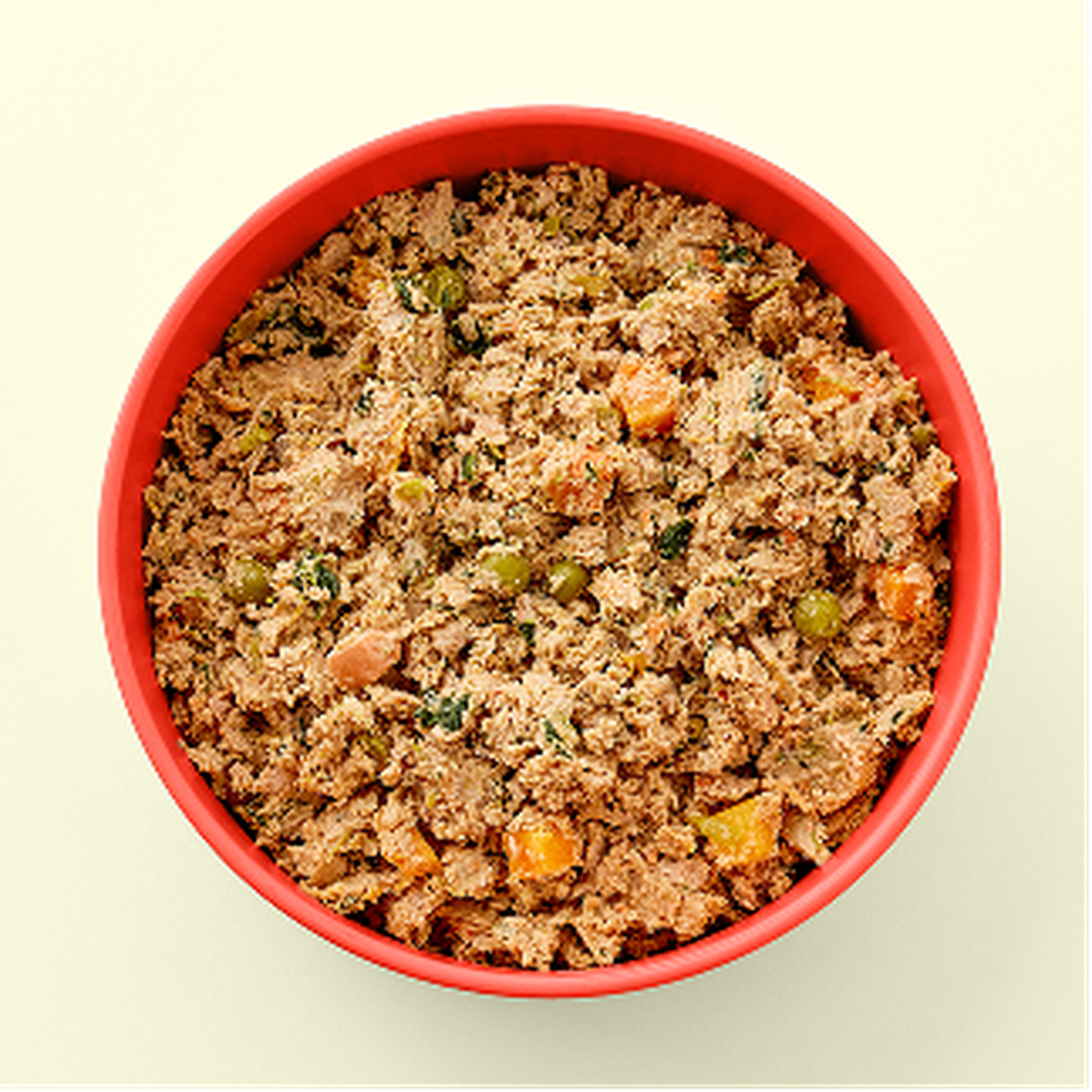
Ollie is different because it focuses on freshness, ingredient transparency, and personalization. Regular kibble often sits on shelves for long periods and is made through high-heat processing. Ollie uses a refrigerated or frozen fresh-food model, depending on the recipe and delivery setup.
That difference matters for some dogs. Many owners notice better palatability, which simply means their dog likes the taste more. In my experience reviewing pet food products, fresh food often gets more interest at mealtime because it smells and feels more like real food.
A few key differences stand out:
- Fresh ingredients instead of shelf-stable formulas
- Personalized portions based on your dog’s profile
- Subscription delivery to simplify feeding
- More premium pricing than standard kibble
These features are part of why Ollie Dog Food gets so much attention. It is designed for convenience without giving up the feeling of a carefully prepared meal.
Ingredients and Nutrition: What’s in Ollie?
Ollie recipes usually include real meats, vegetables, grains or grain-free options depending on the formula, and added vitamins and minerals. The brand’s goal is to provide complete and balanced nutrition for dogs at different life stages.
That said, the ingredient list is only part of the story. What matters most is whether the food meets nutritional standards set for dogs. A food can look simple and still be well-formulated, while a food with fancy marketing can still miss the mark.
What I like about Ollie’s approach is that it keeps the ingredient story easy to understand. You are not dealing with a long list of hard-to-pronounce fillers, which can make the brand feel more trustworthy to many pet owners.
Still, a few things are worth noting:
- Fresh food is not automatically healthier for every dog
- Dogs with very specific medical needs may need a veterinary diet
- Ingredient quality matters, but balance matters even more
- A dog food should meet your pet’s needs, not just look good on paper
If you have a dog with allergies or digestive issues, Ollie may be a useful option to discuss with your vet.
Health Benefits Pet Owners Often Notice
Many people switch to Ollie Dog Food because they hope to see real improvements in their dog’s daily life. While results vary, some owners report better appetite, firmer stools, improved coat shine, and more energy.
These changes are not magic. They often come from cleaner ingredient sourcing, better moisture content, and improved diet consistency. A dog that is eating more willingly and getting steady nutrition may simply feel better overall.
Common benefits people look for include:
- Better meal excitement
- Easier digestion
- More consistent portions
- Improved hydration from fresh food
- Less mealtime waste from picky eating
In my own work, I have noticed that fresh food tends to help owners who are struggling with stubborn eaters. It is not a cure-all, but it can turn mealtime from a daily battle into something calmer and easier.
The Downsides You Should Know
Ollie is not perfect, and it is important to be honest about that. The biggest drawback is cost. Fresh dog food can be much more expensive than kibble or canned food, especially for larger dogs.
There is also the subscription factor. Some people love the convenience, but others do not want another recurring delivery to manage. And if your dog already thrives on a conventional diet, the upgrade may not feel necessary.
Here are the most common drawbacks:
- Higher price than traditional dog food
- Requires refrigerator or freezer space
- Subscription commitment may not suit everyone
- Transitioning can take time for sensitive dogs
I also think owners sometimes expect a fresh food brand to fix every issue. That is a mistake. If your dog has ongoing symptoms like vomiting, loose stools, or itching, you should rule out medical causes before assuming food alone is the answer.
How Much Does Ollie Dog Food Cost?
Pricing depends on your dog’s size, calories needed, and delivery plan. Smaller dogs usually cost less per week, while large dogs can become expensive quickly.
On average, fresh food brands like Ollie are priced far above standard kibble. That is because of the ingredients, packaging, cold-chain delivery, and prep involved. You are paying for convenience as much as nutrition.
A smart way to think about cost is to ask:
- How much am I spending now?
- What problem am I trying to solve?
- Will I use the food consistently enough to justify the price?
- Do I need a full meal plan or just a topper?
If you use Ollie as a full meal, the weekly cost can add up. If you use it part-time or for a picky eater, the value may feel better.
Who Is Ollie Best For?
Ollie tends to work best for certain types of dogs and owners. It is especially appealing if you want a premium, convenient, and highly palatable meal.
It may be a good fit if:
- Your dog is a picky eater
- You want fresher ingredients
- Your dog has mild food sensitivities
- You value pre-portioned meals
- You do not mind paying more for convenience
It may not be the best fit if:
- You have a large dog and a tight budget
- Your dog needs a prescription diet
- You prefer buying food at a local store
- You want the lowest-cost feeding plan
In other words, Ollie is a lifestyle choice as much as a pet food choice. If it makes feeding easier and your dog eats well, that is real value.
How Ollie Compares to Kibble and Other Fresh Dog Foods
Compared with kibble, Ollie usually wins on freshness, smell, and ingredient appeal. Kibble often wins on price, shelf life, and convenience. So the better option depends on what matters most to you.
Compared with other fresh dog food brands, Ollie is often seen as user-friendly and easy to start. The portions are simple, the recipes are straightforward, and the subscription setup is usually smooth. Some competitors may offer different protein choices or pricing, but Ollie’s formula is built around simplicity.
A practical comparison looks like this:
- Kibble: budget-friendly, easy to store, long shelf life
- Canned food: more moisture, moderate price, easy to serve
- Ollie: fresher, more tailored, more expensive
- Other fresh brands: similar benefits, but pricing and recipes vary
If you are considering a switch, it helps to compare not just ingredients but also routine. The best food is the one your dog eats well, digests well, and you can afford long term.
My Practical Take on Using Fresh Dog Food
When people ask me if Ollie Dog Food is worth it, I usually say this: it can be worth it when it fits your real life, not just your ideal one. I have seen pet owners get excited about premium food, then abandon it because the cost or storage demands were too much.
One lesson I have learned is that the best results come from a slow transition. Switching too fast can upset a dog’s stomach, even if the new food is high quality. A gradual mix over several days is usually the safer path.
A few practical tips:
- Transition slowly over 5 to 7 days
- Watch stool quality and appetite
- Store food correctly to keep it fresh
- Stick with it long enough to judge results fairly
- Check with your vet if your dog has health issues
The biggest mistake people make is assuming expensive food automatically means better results. Price can be part of the story, but your dog’s response is what matters most.
Signs Ollie May Be Worth the Money
Ollie Dog Food is probably worth it if you see clear benefits that justify the cost. That could mean your dog eats more reliably, has fewer digestion issues, or simply enjoys meals more.
Look for these signs:
- Your dog finishes meals more eagerly
- Stools become more consistent
- You waste less food
- Feeding time becomes easier
- You feel confident about ingredient quality
If those changes happen, the value may be obvious. But if nothing changes after a fair trial, the premium price may not make sense for your household.
When Ollie May Not Be Worth It
Ollie may not be worth it if your dog is already thriving on another food. It also may not be worth it if the subscription price causes stress or if you have multiple large dogs and a limited budget.
Here are common situations where it may not make sense:
- Your dog already does great on a balanced kibble
- Your vet recommends a different diet
- The cost would force you to cut back elsewhere
- You need a food that stores easily without refrigeration
There is no shame in choosing a simpler option. A good dog food is one that supports your dog’s health and fits your life.
Frequently Asked Questions of Is Ollie Dog Food Worth It?
Is Ollie Dog Food good for picky eaters?
Yes, many picky eaters enjoy Ollie because it smells and tastes more like real food. The fresh texture can make meals more appealing than dry kibble.
Is Ollie Dog Food healthy?
Ollie is designed to be complete and balanced for dogs, with real ingredients and added nutrients. Still, “healthy” depends on your dog’s needs, age, and any medical conditions.
Can Ollie help dogs with sensitive stomachs?
It can help some dogs, especially if they do better on fresh, gently cooked food. But sensitive stomachs can have many causes, so it is smart to involve your vet if symptoms continue.
Is Ollie Dog Food expensive?
Yes, it is generally more expensive than kibble and many canned foods. The price reflects the fresh ingredients, custom portions, and delivery model.
How long does Ollie last once delivered?
Ollie is usually kept refrigerated or frozen, depending on the product and storage instructions. Always follow the package guidance so the food stays safe and fresh.
Should I switch my dog to Ollie right away?
No, a gradual transition is better for most dogs. Mix the new food in slowly over several days to help prevent stomach upset.
Conclusion
Ollie Dog Food can be a smart choice if you want fresher meals, easier feeding, and a product that feels more tailored to your dog. It is especially appealing for picky eaters and pet parents who value convenience with a premium touch.
At the same time, the price and subscription model are real factors. If your dog is healthy and happy on a more affordable food, Ollie may not be necessary. The best decision is the one that balances nutrition, budget, and your dog’s actual response.
If you are still unsure, compare your current food, your dog’s needs, and how much improvement you really want. Then make the switch only if the value feels solid. If you found this helpful, explore more dog food comparisons or leave a comment with your dog’s eating habits.